Signs of Gestational Diabetes, Risk Factors And Management
Contents
Gestational diabetes is diabetes that develops during pregnancy in someone who did not have diabetes before. Pregnancy hormones make the body more resistant to insulin, and if the pancreas can't make enough extra insulin, blood sugar rises.
It usually develops around the middle of pregnancy. It is diagnosed with a glucose screening test, not by symptoms, because most women feel no different.
Gestational diabetes is common. The CDC estimates it affects about 5% to 9% of US pregnancies each year.
It can cause problems for both mother and baby if it isn't managed. It usually goes away after birth, but about half of women who had it later develop type 2 diabetes.
That is why early diagnosis, treatment and follow-up testing after pregnancy matter.
Risk Factors For Gestational Diabetes Mellitus
Any pregnant woman can develop gestational diabetes, but some factors raise the risk. They include
- Family history of type 2 diabetes
- Age greater than 25 years
- Overweight before pregnancy
- High blood pressure
- Gaining too much weight during pregnancy
- Being African American, Hispanic or Latino, American Indian, Alaska Native, Asian, Native Hawaiian or Pacific Islander
- Gestational diabetes in a previous pregnancy
- A previous baby who weighed more than 9 pounds
- Polycystic ovary syndrome (PCOS)
- A past unexplained miscarriage or stillbirth
Symptoms of gestational diabetes mellitus
Gestational diabetes usually causes no noticeable symptoms. When symptoms do appear, they tend to be mild, such as
- Increased thirst
- Urinating more often (polyuria)
- Fatigue
- Blurred vision
- Frequent infections, such as bladder or yeast infections
These symptoms are also common in normal pregnancy, so they are easy to miss.
Signs Of Gestational Diabetes Mellitus
In most pregnant women, gestational diabetes doesn't produce any characteristic signs. That is why MedlinePlus says all pregnant women should be tested with a glucose test between weeks 24 and 28 of pregnancy.
Women with a higher risk may be tested earlier. Ask your prenatal care provider when you should be screened.
How Gestational diabetes occurs? And What are the causes?
Insulin needs rise during normal pregnancy. Hormones from the placenta make the body's cells respond less well to insulin, which is called insulin resistance.
In gestational diabetes, the pancreas can't produce enough extra insulin to keep up, so blood glucose rises. So the main causes of gestational diabetes are summarized as
- Not enough extra insulin to meet pregnancy's higher needs
- Resistance to the insulin hormone
- Pregnancy hormonal changes
Complications Of Gestational Diabetes
Managing blood glucose during pregnancy is very important for mother and baby. Some women control it with healthy eating and physical activity. Others need medicine, such as insulin.
Without good control, gestational diabetes can raise the risk of complications such as
- A baby who is larger than normal at birth
- Having a C-section
- High blood pressure during pregnancy and preterm delivery
- Neonatal hypoglycemia
- Birth injury because of the baby's large size
- Stillbirth, when blood sugar is seriously uncontrolled
- Type 2 diabetes later in life for the mother
REGULARLY GLUCOSE MONITORING
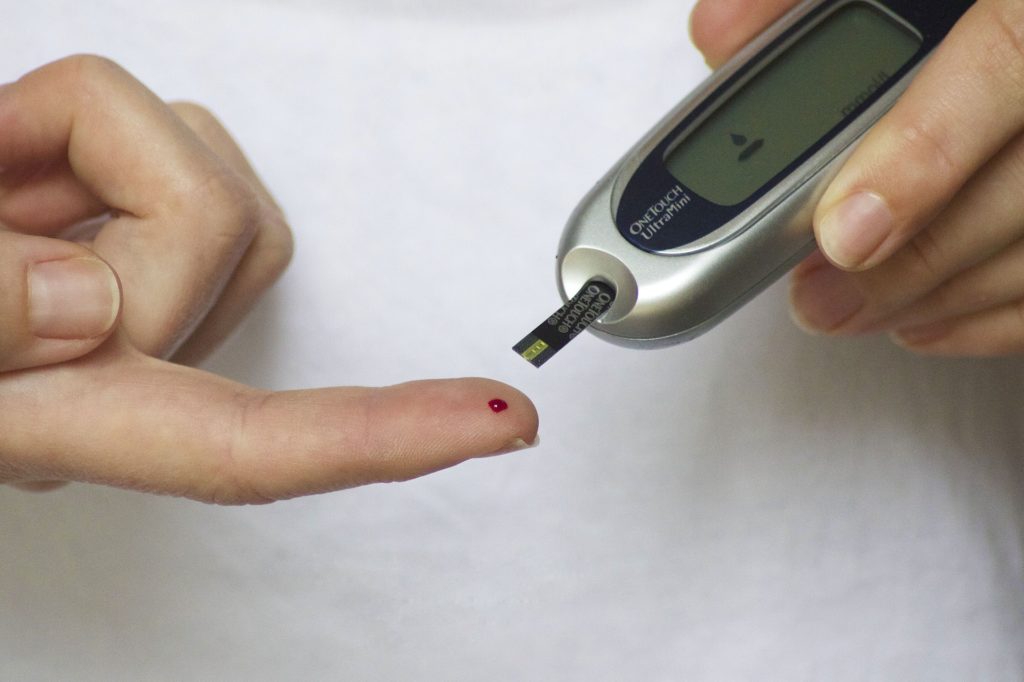
If you are diagnosed with gestational diabetes, your care team will usually ask you to check your blood glucose at home with a glucometer. Many women test when they wake up and after meals, but follow the schedule and targets your provider gives you.
If you take insulin, keep a snack with you to treat low blood sugar. Keep regular meal and snack times.
Regular moderate activity, such as walking for about 30 minutes most days, often helps, if your provider says it is safe. A dietitian can help you plan meals that spread carbohydrates through the day. Drink enough fluids to stay hydrated.
After the birth, get your blood sugar tested again, and keep getting checked over the years because of the higher risk of type 2 diabetes. This article is general information; your obstetric team should guide your diagnosis and treatment.
HP Thoughts: You have to take care of yourself despite this ailment appearing as a "normal occurrence" during pregnancy! Learn what food to eat to keep you healthy and strong: Gestational Diabetes Diet.
Sources
- Gestational Diabetes, CDC
- Gestational diabetes, MedlinePlus