Best 5 Therapies to Maintain a Healthy Body
Contents
A pain-free, healthy body lets you do your favorite activities and spend time with your family without worrying about injuries. However, most people deal with pain at some point in their lives.
We can't remove all pain from our lives. However, the health choices we make can reduce the discomfort of everyday aches. If you are one of the many people who deal with pain daily, this article is for you.
List of therapies to maintain a healthy body
From mind and body techniques to electrical stimulation, here is a list of therapies people use to manage pain and stay active. The evidence behind them varies a lot, so talk with your doctor about which ones fit your situation.
1. Pulsed Electromagnetic Field Therapy
Pulsed electromagnetic field (PEMF) therapy is a complementary treatment that sends low-frequency magnetic fields into the body through the skin. Some PEMF bone growth stimulators are FDA-approved for a specific use: helping fractures that have stopped healing (nonunions).
To administer PEMF therapy, you place a PEMF device, pad or mat on your body. Evidence for other uses, such as general pain relief, is more limited.
Claims that PEMF treats diabetes, depression or immune problems, or boosts oxygen levels, are not supported by strong evidence. People with a pacemaker or other implanted device, and those who are pregnant, should ask a doctor before using it.
2. Aromatherapy
Aromatherapy is the use of essential oils from plants as a complementary health approach. The oils are most often inhaled or applied to the skin in diluted form.
Products include diffusers, inhalers, oils, creams, lotions and bath salts. Common oils include lavender, chamomile, lemon and tea tree.
According to the NCCIH, little rigorous research has been done, so it is unclear whether aromatherapy helps with sleep. In one study of people under stress, lemon scent improved mood, but neither lemon nor lavender helped stress markers or pain.
If you try it, use diluted oils, never swallow essential oils, and keep them away from children and pets.
3. Bioelectric Therapy
Bioelectric therapy, such as transcutaneous electrical nerve stimulation (TENS), uses mild electrical currents through pads on the skin to ease acute and chronic pain without drugs. Experts believe the current interferes with pain signals traveling to the brain.
Cleveland Clinic notes that TENS works well for many people, but some studies suggest a placebo works just as well. More research is needed.
Don't use TENS if you are pregnant or have a pacemaker or other implanted device, epilepsy, heart disease, cancer, deep vein thrombosis or a bleeding disorder. Avoid using it on infected or damaged skin.
4. Physical Therapy
Physical therapy is a non-drug treatment that helps people of all ages manage conditions that limit their ability to move and function. A well-designed program can help people regain strength and mobility after an injury or surgery.
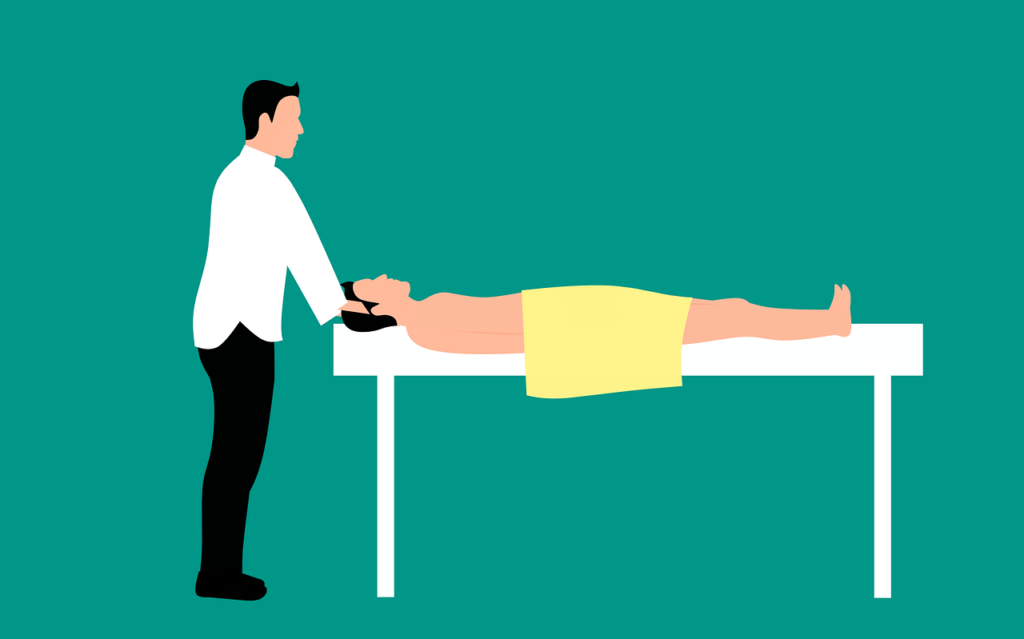
Physical therapists use exercises, stretching and hands-on techniques to improve movement in the joints and muscles. Benefits can include better mobility, less joint pain, and recovery from or prevention of sports injuries.
Consider it if a joint, muscle or bone injury makes daily tasks harder. A physical therapist can also teach you exercises to do at home.
5. Massage Therapy
Massage is a popular way to relax. The term covers many techniques, and Swedish massage is the most common form in Western countries.
The NCCIH reports that massage has been studied for low-back pain, neck and shoulder pain, knee osteoarthritis and headaches. The evidence is mixed: for low-back pain, for example, it has found only weak evidence of benefit.
Many people find massage relaxing and helpful for stress. Serious side effects are rare, but people with blood clots, fragile bones or bleeding problems should check with a doctor first. Choose a licensed massage therapist you are comfortable with.
HP Thoughts: You have to complement your therapies with healthy hobbies to strengthen your body and keep you from falling ill. Read our top suggestions you could consider as part of your daily regimen: Healthy Hobbies That Will Help You Burn Fat.
The Final Words
Most of us know someone with chronic back or knee pain, whether from a fall, overuse or years of wear. Athletes can also get injured from overtraining.
Non-drug therapies can be a useful part of managing pain, but they are not risk-free and the evidence varies. See a doctor to find the cause of ongoing pain, and ask which therapies are safe for you.
Sources
- Aromatherapy, NCCIH
- Massage Therapy: What You Need To Know, NCCIH
- Transcutaneous Electrical Nerve Stimulation (TENS), Cleveland Clinic