
White Spots on Teeth: Causes & Treatment
Contents
Having white teeth is a good thing. It is the indication of a good and healthy diet, calcium amount, vitamins, brushing teeth on daily basis, usage of teeth whitening products, etc. But white spots on teeth can be a sign of a problem with the enamel.
Overview
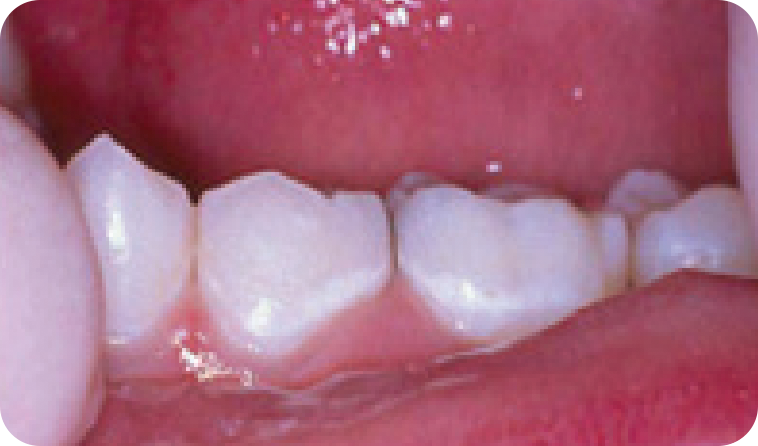
White spots on teeth or you can say it discoloration on the teeth is different from the color of teeth. Sometimes they are an early sign of tooth decay. Other causes include too much fluoride while the teeth were forming, weak enamel, and a dry mouth.
Some white spots are only cosmetic, but early decay spots need attention before they turn into cavities. See a dentist to find the cause and the right treatment.
How White Spots on Teeth Occurs?
There can be many reasons for it. Sometimes these reasons can be more than one. When you will go to the dentist for your check-up, he can tell you in detail. Let’s discuss some factors or causes due to which white spots on teeth occur.
-
Demineralization
Demineralization is also famous for the name of decalcification. It happens when plaque bacteria make acids that pull minerals out of the enamel. Weakened enamel shows up as white or brown spots on teeth. These spots can turn into cavities and for this, you have to make an appointment with the dentist. Your dentist will examine the tooth condition and tell you the solution.
White spots on teeth occur due to poor dental health, because of not brushing and flossing. If there is no cavity yet, your dentist may suggest brushing twice a day with fluoride toothpaste, cleaning between your teeth daily, and using a fluoride mouth rinse. Early white spots can sometimes harden again with good care.
It can also occur due to wearing braces. You can feel them after removing the braces. They occur under or around the actual location of brackets. Because where there are braces located, oral hygiene is not proper at that location.
-
Fluorosis
Fluoride strengthens teeth and helps prevent decay. But swallowing too much fluoride while the teeth are still forming can cause visible enamel changes, from faint white streaks to, rarely, pitting.
It develops only in childhood, while teeth form under the gums. Young children often swallow toothpaste, because the swallowing reflex isn’t fully developed until about age 6, according to the CDC.
Fluorosis does not cause tooth decay, and most cases are mild. 3. ### Enamel hypoplasia
Enamel hypoplasia means the teeth have thin or missing enamel. It can happen when something disrupts enamel formation in childhood, such as poor nutrition or illness.
People with celiac disease are more likely to have enamel defects, because the damaged intestine doesn’t absorb nutrients well.
High fevers or certain medicines in early childhood may also affect developing enamel. Smoking during pregnancy may affect the baby’s developing teeth too.
Signs of enamel hypoplasia include grooves, pits or lines in the teeth and tooth sensitivity. 4. ### Sleeping while the mouth is open
Sometimes you may notice white spots on your teeth when you wake up that fade after a few hours. This happens when you sleep with your mouth open and the enamel surface dries out.
These white spots on the teeth come temporarily. When your enamels get hydrated as you closed the mouth, saliva touches the enamel and make it hydrate again, these white spots on the teeth vanishes.
When you are having a cold, you have more often chances to sleep with your mouth open. 5. Bad Diet
Acid can cause damage to the teeth. Too much acidic foods cause white spots to occur on teeth. These highly acidic foods damage the tooth enamel. This outer layer protects the teeth from damage.
A sugary diet feeds plaque bacteria that make acid and wear down the enamel. Soda included foods and drinks, certain acidic fruits such as lemon, grapefruit, and oranges can cause damage to the enamel.
Acid reflux is also a cause, because it can bring stomach acid up into the throat and mouth. Enamel protects the inner tooth from hot and cold. When the enamel gets damaged, it shows some symptoms such as sensitivity to cold or hot foods and drinks.
How to Treat White Spots on Teeth?
Once decay has been ruled out, white spots are mainly a cosmetic concern. If you want to treat them, there are several options.
-
Microabrasion
It is one of the treatments to vanish the white spots on teeth. In this treatment, the procedure is done by removing the layers of damaged enamel. The enamel is present on the tooth’s surface and is removed by mild abrasion. By removing the enamel, white spots also removed and the appearance of teeth also improved.
-
Bleaching
Bleaching is a procedure used for the whitening of teeth. This procedure is done under the supervision of a dentist.
Bleaching balances the color of tooth enamel by lightening the whole tooth so that it becomes white just like the white spots present on it. That’s how white spots become less visible.
It is not a much-satisfied treatment for those who faced these white spots because of the excess amount of fluoride. Bleaching not only whitens the teeth but also change the white shade of spots and turned it into another whitish shade spot.
-
Veneers
If your white spots are in excess amount then doctors will prefer veneers. In this process, white spots are covered with thin porcelain shells bonded to the front of the teeth. Some enamel is removed first, so the process can’t be undone.
-
Chin straps
If you often sleep with your mouth open, ask your doctor whether a chin strap might help keep it closed. Regular mouth breathing at night can also be a sign of a blocked nose or sleep apnea, so get it checked.
-
Nasal decongestants
If a cold is blocking your nose, a nasal decongestant may help you breathe through your nose at night. Don’t use decongestant sprays for more than a few days, and ask a pharmacist if you have high blood pressure.
How to Prevent White Spots on Teeth?
To prevent the white spots on teeth, it is necessary to maintain good dental hygiene. Brush twice a day with fluoride toothpaste and clean between your teeth every day. A fluoride mouth rinse can add extra protection.
Prevention of white spots on teeth
Waterpik is used to remove plaque that occurs around the brackets of braces and between teeth. Your dentist may recommend toothpaste that provides minerals to enamel and protect the teeth from white spots.
While intake of less sugar and less acidic food protects the enamel and prevent white spots on teeth. Skipping smoking can also be very beneficial for your health and as well for your baby if you are pregnant.
In children, swallowing too much fluoride toothpaste is a common cause of white spots. The CDC advises a smear the size of a grain of rice for children under 3 and a pea-sized amount for ages 3 to 6, with an adult supervising.
Teach children to spit out toothpaste rather than swallow it. Cutting back on acidic foods and soft drinks also helps.
Conclusion
White spots on teeth can signal early decay, too much fluoride in childhood, or weak enamel. Several treatments can improve how they look. Common causes include excess fluoride, diet, and plaque bacteria. Keeping your mouth hydrated, less intake of acidic juices, etc can be helpful in order to prevent these spots on teeth. See your dentist to find out what is causing yours.
Sources
- Use of Toothpaste and Toothbrushing Patterns Among Children and Adolescents, CDC MMWR
- Tooth Disorders, MedlinePlus