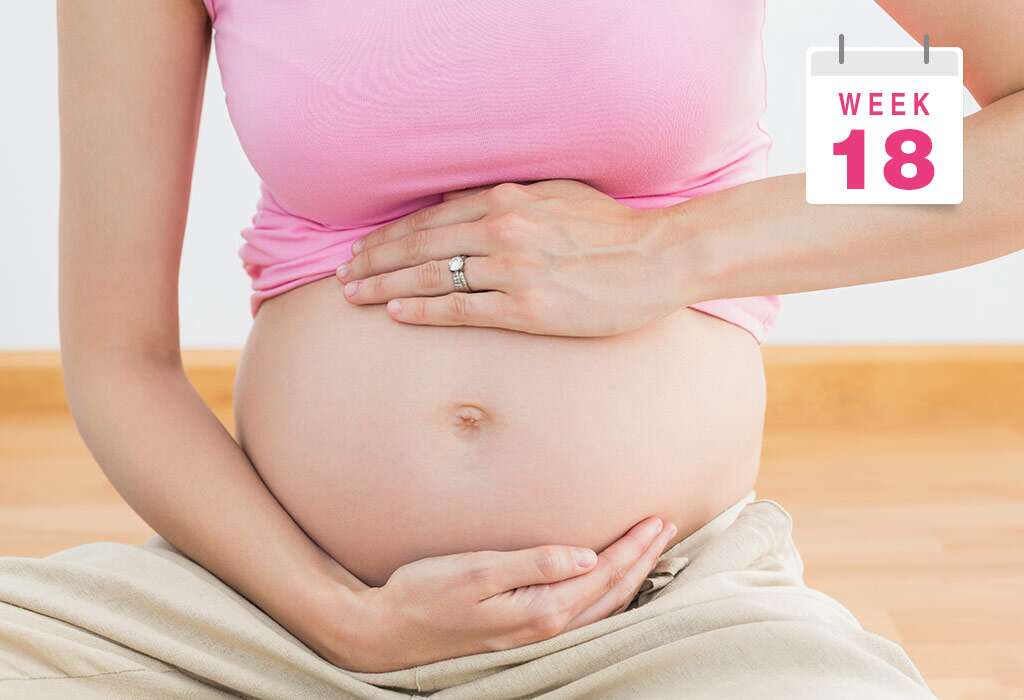
4 Months Pregnant Women and Their Best Experiences
Contents
OVERVIEW
Care for pregnant women has changed a lot over the years, and antenatal care varies widely around the world. At 4 months pregnant, regular prenatal checkups remain important.
Good antenatal care improves pregnancy outcomes and lowers the risk of serious problems for both mother and baby.
DATING THE PREGNANCY
A pregnancy is dated from the first day of the last menstrual period, not from the date of conception. A full-term pregnancy lasts about 280 days, or 40 weeks. This assumes a cycle of about 28 days, with ovulation around day 14.
To estimate the due date, take the first day of your last period, count forward 9 months, and add 7 days. This rule is less reliable if your cycles are irregular, or if you conceived soon after stopping the pill or after a recent birth. An early ultrasound scan gives a more accurate date.
WHAT MAY WOMEN EXPERIENCE WHEN SHE IS 4 MONTHS PREGNANT?
-
Gastrointestinal tract abnormality
Women often experience constipation. It results from a combination of mechanical and hormonal factors that slow down the gut. Iron tablets, often given to treat anemia, can make constipation worse.
A diet rich in fiber, fruits, and vegetables, plus plenty of fluids, helps. If that isn't enough, ask your doctor or midwife which stool softeners or laxatives are safe in pregnancy.
-
Musculoskeletal symptoms
Backache is a common problem in pregnancy. Pregnancy hormones soften the ligaments, and weight gain and a growing uterus shift your center of gravity. Pregnancy can also worsen the symptoms of an existing slipped disc.
Maintain good posture, avoid heavy lifting, wear flat shoes, and consider physiotherapy or prenatal exercise classes. Ask your doctor or midwife before taking any painkiller.
There are certain neuropathies that may occur like carpal tunnel syndrome. It occurs when the median nerve is squeezed as it passes through a narrow channel at the wrist. Symptoms include numbness, tingling and weakness in the thumb and fingers. It is often worst at night.
-
Varicose veins
Varicose veins may appear for the first time during pregnancy, or pregnancy may worsen existing ones. Hormonal effects on the veins and extra weight both play a role. Support stockings and avoiding long periods of standing can help.
-
Edema
Swelling (edema) is common in pregnancy, especially in the ankles, feet and fingers. It tends to be worse at the end of the day and later in pregnancy.
A sudden increase in swelling of the face, hands or feet can be a sign of pre-eclampsia. Contact your doctor or midwife right away if this happens.
-
Urinary tract infections
Urinary tract infections are more common in pregnancy, and some cause no symptoms. Your prenatal urine tests check for them. Untreated infections can spread to the kidneys, so report burning, frequent urination or back pain to your doctor.
-
Abdominal pain
Mild aches from the stretching uterus and ligaments are common. Severe, persistent or one-sided pain, or pain with bleeding or fever, is not normal. Contact your doctor or maternity unit promptly so they can check for a serious cause.
HOW SMOKING EFFECTS 4 MONTHS PREGNANT LADY?
Smoking restricts the oxygen supply to your baby. Babies of mothers who smoke are, on average, born smaller, and smoking raises the risk of problems with the placenta, such as placental abruption.

Smoking also raises the risk of stillbirth. The good news is that it's never too late to quit: stopping at any point in pregnancy benefits you and your baby, and the earlier you quit, the better.
LABORATORY EXAMINATION:
Pregnancy is confirmed with a urine or blood test for the hormone hCG, and by ultrasound. By 4 months, most women have already had these.
Around this time, your provider may offer screening blood tests and plan your mid-pregnancy anomaly scan. Some women are offered diagnostic tests, such as amniocentesis, if screening shows a higher chance of a problem.
DIETARY AND EXERCISE ADVICE:
The four month pregnant lady should be given the dietary advice to get an optimum weight gain in pregnancy. Recommended weight gain depends on your weight before pregnancy. The CDC lists 25 to 35 pounds for a normal BMI with one baby.
She should eat fiber-rich foods like beans, lentils, vegetables, whole-grain pasta and brown rice, and meals based on starchy foods like potatoes, rice and bread. Limit fried foods, sugary drinks and caffeine, and eat at least five portions of fruits and vegetables every day.
Regular, moderate exercise that includes aerobic and strength activities is considered safe and beneficial for most women with a healthy pregnancy. Check with your doctor or midwife before starting a new routine.
DELIVERY OPTIONS:
Women should be given options about where to give birth, so they can choose where they feel most comfortable.
There are three places where the women can give birth which include
- home birth
- birth centers or midwife units
- hospital birth centers
Only a small share of pregnant women deliver at home. The main advantages of home birth are familiar surroundings, no separation from other children and partners, and no travel to the hospital.
Midwife units may be standalone or attached to hospitals. Their advantages are convenient locations and fewer interventions.
Most women give birth in a hospital, where there is direct access to a neonatologist and an obstetrician. Doctors are available around the clock if mother or baby needs extra care.
This article is general information, not medical advice. Your doctor or midwife can advise you on your own pregnancy.