What causes odorless Clear Discharge from Ear
Contents
- Middle ear infection
- Perforated eardrum
- External ear Infections
- Fungal infections
- Ear Trauma
- Impacted ear wax
- Miscellaneous
- How Discharge From Ear Present?
- When to Seek Medical Help?
- How Can Doctor Diagnose The Cause Of Your Ear Discharge?
- What Treatment Options Do You Have?
- How Clear Discharge From Ear Can Be Prevented?
- Sources
Photo by RWhitwam, CC BY-SA 4.0, via Wikimedia Commons
odorless Clear Discharge from Ear!
Otorrhea, also known as ear discharge, means any fluid draining out of the ear. According to MedlinePlus, most of the time fluid leaking from an ear is earwax.
Earwax is normal and helps protect the ear canal from bacteria, dust and foreign bodies. Discharge that is clear and watery, pus-like or bloody can signal an infection, a perforated eardrum or an injury, and should be checked by a doctor.
Clear fluid draining from the ear after a head injury can be cerebrospinal fluid (the fluid around the brain). That needs emergency care right away. In this article, we look at the possible causes of clear ear discharge, its treatment, and when to seek medical attention.
What Are The Causes Of Clear Discharge From Ear?
Lots of underlying causes are there in which ear discharge is clear or transparent. They include:
-
Middle ear infection
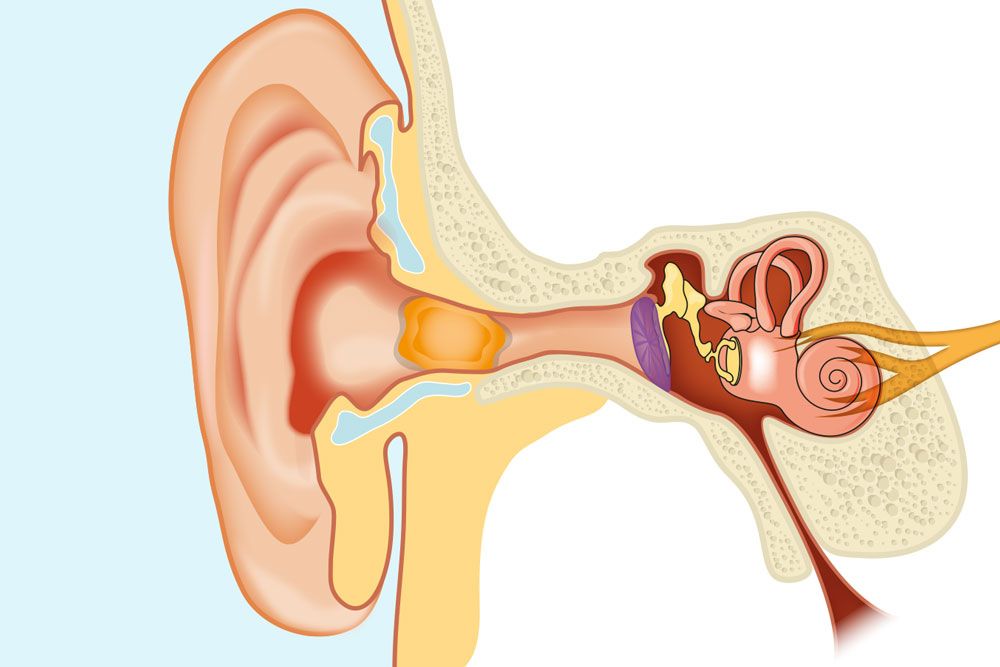
A middle ear infection (otitis media) can build up fluid behind the eardrum. If the eardrum tears, fluid can drain from the ear, and it may be clear, white, yellow or slightly bloody.
Middle ear infections are especially common in children and often follow a cold, sore throat or sinus infection. Repeated or long-lasting infections can leave a hole in the eardrum (chronic suppurative otitis media).
There are two types of chronic middle ear infection with a perforated eardrum:
Tubotympanic also called as benign type and involves inferior part of ear. It has no serious risk factors.
Atticoantral also called as dangerous type and involves superior part of ear. It has high risk of complications.
-
Perforated eardrum
A hole in the eardrum can be caused by an ear infection, a blow to the ear, a very loud noise, or a sudden pressure change such as during a flight. Clear fluid, blood or pus may leak from the ear, along with earache, hearing loss or ringing.
-
External ear Infections
External ear infections, also known as otitis externa or swimmer's ear, can cause clear or cloudy discharge from the ear. They involve inflammation of the ear canal and sometimes the outer ear (pinna).
They are common in hot, humid climates and in swimmers, because moisture in the ear canal changes its environment and lets germs grow.
-
Fungal infections
Fungal infections of the ear, known as otomycosis, are usually caused by Aspergillus or Candida species. They are more common in humid climates and after long use of antibiotic ear drops, and they cause itching and discharge.
-
Ear Trauma
Ear trauma can result from inserting pins, matchsticks, cotton swabs or other objects into the ear. This usually causes blood-stained discharge rather than clear discharge.
A blow to the head can cause a skull fracture with clear fluid (cerebrospinal fluid) draining from the ear. This is an emergency.
-
Impacted ear wax
Wax is made of skin cells and secretions from glands in the ear canal. It protects the ear and helps keep the canal slightly acidic.
Built-up wax can cause a blocked feeling or reduced hearing. Soft wax can sometimes look like discharge, but it is a harmless condition.
-
Miscellaneous
Other causes of clear ear discharge include eczema or seborrheic dermatitis of the ear canal, viral infections, foreign bodies and mastoiditis (infection of the bone behind the ear).
How Discharge From Ear Present?
Discharge can be watery, blood-stained, mucus-like or pus-like. It can come with ear pain (otalgia), itching, hearing loss or a blocked feeling.
When to Seek Medical Help?
Call your doctor if the discharge is white, yellow, clear or bloody, if it lasts more than 5 days, or if it follows an injury.
Also get medical help if you have severe pain, fever, headache, hearing loss, redness or swelling of the ear canal, or weakness or drooping on one side of your face.
Seek emergency care for clear, watery fluid from the ear or nose after a head injury.
How Can Doctor Diagnose The Cause Of Your Ear Discharge?
Your doctor will ask you some questions before investigating the cause of your ear discharge e.g
- When did the discharge begin?
- What was the color of discharge and was it clear or yellow or red in color?
- How did it look like?
- What were the associated symptoms e.g fever, headache, nausea, vomiting?
- Did it relieve itself anytime before coming to the hospital?
After asking a couple of questions your doctor will investigate you In the following ways.
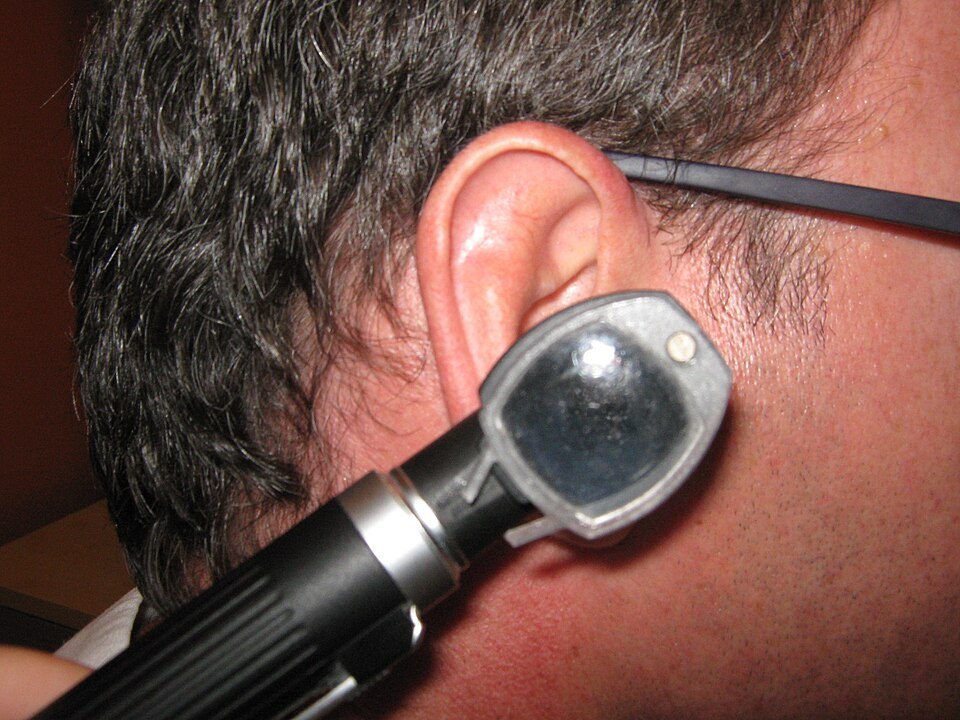
- Examination of the ear with an otoscope or microscope, which can show a perforation, polyp, foreign body, mass or impacted wax.
- Audiogram gives an assessment of the degree of hearing loss associated with discharge and tells about the type of hearing loss one is suffering from.
- A swab of the discharge sent to a lab to find the germ and choose the right antibiotic drops.
- Tympanometry to check the health of the middle ear.
- Hearing tests, tuning fork tests to assess hearing levels.
- CT scan of the temporal bone when mastoiditis, a cholesteatoma or a fracture is suspected.
What Treatment Options Do You Have?
Treatment depends on the cause and should be guided by your doctor.
- Ear cleaning (aural toilet): a clinician removes discharge and debris, often with gentle suction under a microscope. Don't try to do this at home with cotton swabs.
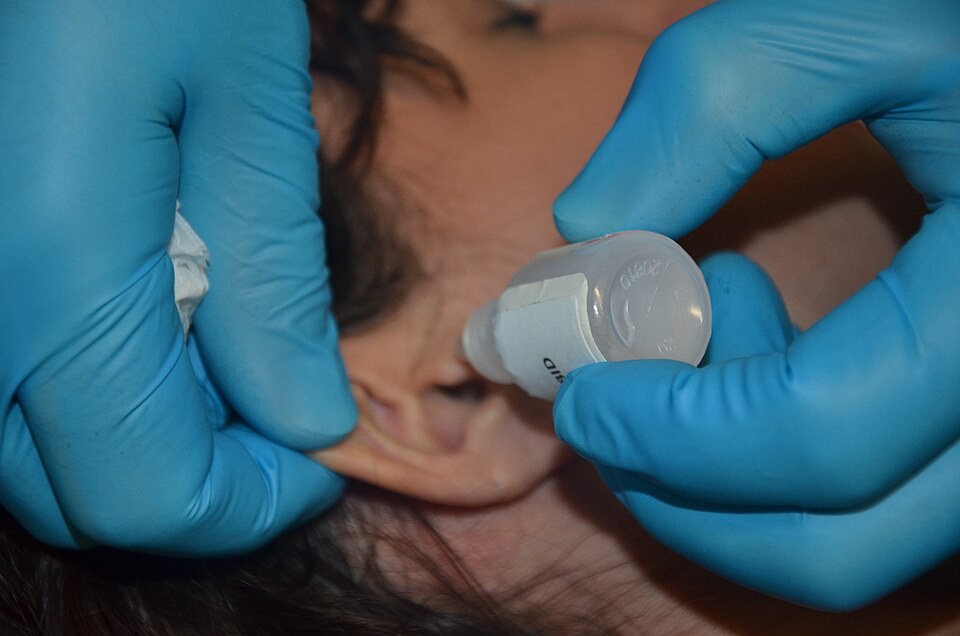
- Ear drops: antibiotic or anti-inflammatory ear drops are often used for ear canal infections and for some perforated eardrums. Use only drops your doctor recommends, because some are not safe with a hole in the eardrum.
- Oral antibiotics: these may be prescribed if a middle ear infection has caused the eardrum to rupture. Follow your doctor's instructions on the dose and length of treatment.
- Antifungal treatment: used for fungal ear infections.
- Watchful waiting for a perforated eardrum: most perforated eardrums heal on their own within 2 months, according to the NHS.
- Surgical treatment: an eardrum that doesn't heal can be repaired with surgery (myringoplasty). Foreign bodies, polyps or cholesteatoma may also need to be removed.
How Clear Discharge From Ear Can Be Prevented?
Keep your ears dry and avoid putting cotton swabs or other objects into the ear canal. If you have a perforated eardrum, keep water out of the ear while bathing, swimming or washing your hair until it heals.
Avoid blowing your nose too hard. Drying the ears after swimming helps prevent swimmer's ear and keeps the ear canal's natural pH. Any ear injury should be checked by a doctor.
HP Thoughts: Not every ear discharge is colorless. Learn more about this here: Yellow Discharge from Ear.
Sources
- Ear discharge, MedlinePlus
- Perforated eardrum, NHS
- CSF leak, MedlinePlus