Types of Double Eyelid Surgery in Singapore

Contents
Double eyelids have become more and more desirable in Asia and around the world. Double eyelid surgery is widely performed in East Asia, including South Korea, and is one of the most common cosmetic eyelid procedures in the region.
People choose to do double eyelid surgery for many reasons – to get their eyes more open, to get them bigger, to make them symmetrical, or improve sagging eyelids. Whatever the reason, it’s important to get as much information as possible before committing to plastic surgery. That's why we gathered key information: what to expect from the surgery, how to prepare, and what costs could you expect in Singapore.
Types of Double Eyelid Surgery
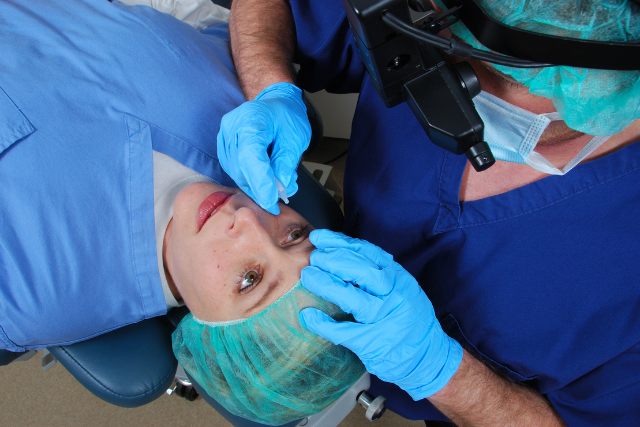
According to Dr Samuel Ho from Allure Plastic Surgery, double eyelid surgery can be performed in two different ways – using the non-incisional method and incisional method.
Non-incisional Double Eyelid

The non-incisional double eyelid surgery is also called non-incisional blepharoplasty. During a non-incisional double eyelid procedure, your doctor creates a crease with buried stitches placed through a few tiny holes in each eyelid. The number of stitches varies by technique.
A big benefit of this method is that it is usually quick and is often done under local anaesthesia. Since it doesn't involve an incision, downtime is shorter, though mild swelling can take several days or longer to settle.
How long the result lasts varies. The stitched crease is less durable than an incisional crease, and Stanford Medicine notes that it may unfold over time.
The non-incisional method is recommended for people who don't have much fat or loose skin on the eyelid, which is more common in younger patients.
Incisional Double Eyelid Surgery

The incisional double eyelid surgery is also called incisional blepharoplasty. During incisional double eyelid surgery, your surgeon makes an incision along the planned crease and may remove some skin and fat. The type of anaesthesia varies, and stitches are usually removed about 4 to 6 days after surgery.
One benefit of the incisional method is that it gives a more permanent crease than the stitching method. However, it needs more downtime. Bruising usually clears in about 2 weeks, and the scar along the crease usually fades over several months.
The incisional method is recommended for patients who have more fat or loose skin on the eyelid, which becomes more common with age.
Questions about the double eyelid surgery
Can I get wider eyes with double eyelid surgery?
Some surgeons do a procedure called epicanthoplasty along with double eyelid surgery to make the eyes look wider. Epicanthoplasty reshapes the fold of skin at the inner corner of the eye. Like any surgery, it carries risks, including visible scarring, so discuss it carefully with your surgeon.
Is the double eyelid surgery painful?
During incisional surgery patients won’t feel any pain due to the general anaesthesia but they will feel slight pain after waking up. Patients will also notice swelling and bruising that improve over the following weeks.
As for the non-incisional blepharoplasty, patients don’t feel much discomfort during the procedure because of the local anaesthesia. After the procedure, they might experience slight tightness and mild pain. These usually improve on their own, but contact your surgeon about severe or worsening pain, swelling or vision changes.
Do patients get scars?
Patients who have incisional double eyelid surgery do get a scar along the crease, but it usually fades and becomes hard to see over several months. The non-incisional method does not leave an incision scar, though tiny marks from the stitches may be visible for a short time.
Are there any side effects connected to the double eyelid surgery?
Like any other surgery, there are some potential side effects. Such side effects include:
- Watery eyes
- Sensitivity to light
- Puffy eyelids
- Mild pain
- Blurred vision for a few days
As per risks from the surgery, there are some potential risks as well:
- Infection
- Bleeding
- Scarring
- Difficulty closing your eyes
- Uneven creases or the need for revision surgery
- Vision changes, and very rarely vision loss
The American Society of Plastic Surgeons lists these and other risks of eyelid surgery.
How to ensure optimal results from my double eyelid surgery?
As any patient, you would also want the best results for yourself. That’s why it’s important to follow your doctor’s advice exactly as they told you. Following your doctor’s orders will ensure that not only you get optimal results but you also avoid the risk of any side effects. Your doctor is most likely going to give you the following advice:
- Using ice packs for the pain and swelling
- Do not do any intensive exercising
- Don't rub your eyes
- Ask your surgeon which pain relievers to use, since aspirin and ibuprofen can raise the risk of bleeding
- Ask your surgeon before taking supplements such as vitamin E, which may also affect bleeding
- Always wear sunglasses outside
How to find the right surgeon in Singapore?
Finding the right surgeon for you is the first and most important step before going in for any type of surgery. Singapore is a great place to get plastic surgery because there are so many experienced surgeons and clinics but having that many options may feel overwhelming too.
Asking your friends and family for suggestions is a great way to find a doctor from people you can trust. If they don't know any, check that the surgeon is a registered specialist in plastic surgery or ophthalmology (oculoplastic surgery) with the Singapore Medical Council, and ask about their experience with this procedure. You can also ask them about before & after pictures or a portfolio. During your first consultation, ask about the number of double eyelid surgeries they have in a month. A surgeon specializing in double eyelid surgery should have a high number of surgeries.
Cost for double eyelid surgery in Singapore
Like most cosmetic surgeries, the cost of double eyelid surgery depends on several factors. Factors such as the doctor’s fee, anaesthetic, additional fees for medication, and facilities.
Prices vary widely between clinics, and incisional surgery usually costs more than the non-incisional method. Ask for a full written quote that includes the surgeon's fee, anaesthesia, facility fees and follow-up visits.
HP Thoughts: More information about the types mentioned in this article is here: Double Eyelid Surgery in Singapore.
Sources
- Asian Double Eyelid, Stanford Medicine
- Eyelid Surgery Risks and Safety, American Society of Plastic Surgeons