Fetal Demise: Causes, Symptoms, Risks, Treatment & Diagnosis
Contents
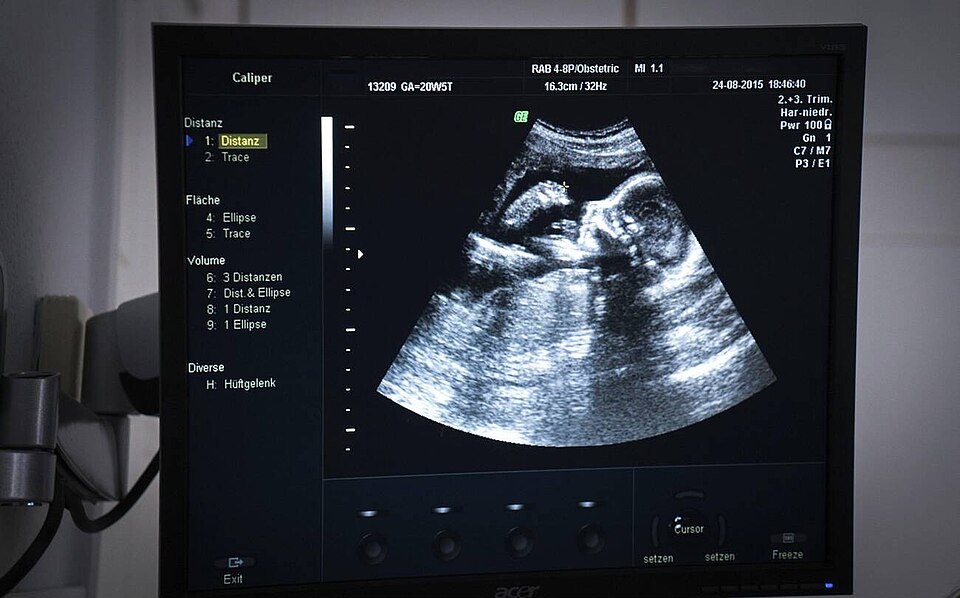
Photo by Goleisureintl, CC BY 4.0, via Wikimedia Commons
Intrauterine fetal demise is the medical term for the death of a baby in the uterus at or after the 20th week of pregnancy. In the United States this is called a stillbirth. The CDC defines stillbirth as early (20 to 27 weeks), late (28 to 36 weeks) or term (37 weeks or later).
The definition differs worldwide. Some countries and the World Health Organization use a later cutoff based on gestational age or the baby's weight. Many different maternal, fetal and placental factors can cause fetal demise.
It results in a baby born without signs of life. It differs from a miscarriage, which is a pregnancy loss before the 20 weeks of pregnancy. Early pregnancy loss is very common.
What Are The Causes Of Intrauterine Fetal Demise?
Many factors can lead to fetal death at or after the 20th week of pregnancy. Finding the cause, when possible, helps your care team plan for future pregnancies. Sometimes no cause is found.
Known and suspected causes include:
- Congenital birth defects
- Placental abnormalities
- Genetic abnormalities
- Diabetes mellitus
- Placental abruption and other placental disorders (such as vasa previa)
- High blood pressure and preeclampsia
- Placental dysfunction leading to fetal growth restriction
- Infections
- Obesity
- Older maternal age (35 and up, with higher risk after 40)
- Umbilical cord complications
- Uterine rupture
- Pregnancy that continues well past the due date (41 to 42 weeks or more)
How Pregnant Woman May Present After The Fetal Demise?
Fetal death means the baby's heart has stopped. According to Cleveland Clinic, the only warning sign is often that the baby is not moving as much as before. Some women have no symptoms at all.
An ultrasound is needed to confirm the diagnosis. Fetal death is diagnosed when an ultrasound shows no cardiac activity.
The common symptoms of intrauterine fetal death are:
- Fewer or no fetal movements or kicks
- Cramping
- No fetal heartbeat on a Doppler or fetoscope check
- Bleeding or spotting
- No heartbeat or movement on ultrasound
Pay attention to your baby's movements in the second half of pregnancy. If you notice your baby moving less than usual, contact your doctor or maternity unit right away; do not wait until the next day.
Report any vaginal bleeding during pregnancy to your health care provider, and seek urgent care for heavy bleeding. Do not miss your prenatal visits and scans.
Risk Factors Associated With Fetal Demise
Some factors raise a woman's risk of fetal demise. Some you can manage, while some you can't. The CDC lists age 35 or older, low income, smoking, high blood pressure, carrying multiples and a previous stillbirth among them. Other associated risk factors include:
- Hypertension
- Diabetes mellitus
- Advanced maternal age
- Race (in the U.S., stillbirth is about twice as common among non-Hispanic Black women, largely tied to differences in health and care)
- Obesity
- SLE (lupus)
- Thyroid diseases
- Kidney disease
- Smoking
- Alcohol consumption
- Multiple pregnancies
- Drug use
- A previous stillbirth
How Can Be Diagnosed?
Mothers often notice that the baby has stopped moving, or they have bleeding or cramping. A careful history and examination help, but ultrasound confirms the diagnosis. The usual steps are:
- Detailed history (ask about bleeding, cramping, and the baby's movements)
- Clinical examination
- Check the baby's heartbeat with a Doppler
- Ultrasound, which confirms fetal death when it shows no cardiac activity
After the diagnosis, your provider may suggest blood, urine or infection tests, and an exam of the placenta and umbilical cord, to look for a cause. An autopsy is optional.
Management
How the pregnancy is ended depends on how far along it is, the mother's health and her wishes. Options include:
- Induced labor: Medicines such as misoprostol, sometimes with mifepristone, or oxytocin later in pregnancy, start labor. Providers often recommend starting soon after the diagnosis.
- Surgical removal: Earlier in the second trimester, a procedure called dilation and evacuation (D&E) may be offered by a trained provider, usually with sedation or anesthesia.
- Waiting: Labor often starts on its own within about two weeks. Your care team will monitor you if you choose to wait.
- Cesarean birth: Rarely needed, and usually only when the mother's health is at risk.
Complications
If the baby remains in the uterus for several weeks, a rare but serious clotting problem can develop in the mother. This is one reason care teams monitor closely and discuss timely delivery.
Possible complications include:
- Disseminated intravascular coagulation (DIC), a clotting disorder
- Bleeding
- Infections
- Anemia
- Placental abruption (sometimes called accidental hemorrhage)
- Grief, depression and anxiety
Most women who have a stillbirth go on to have healthy pregnancies later. Talk with your care team about the timing and care of a future pregnancy.
HP Thoughts: Fetal demise is one of the loneliest and most painful experiences a soon-to-be mother can face. Deep emotional and physical pain are common, and support from loved ones, counselors and support groups can help. If you are interested in hormone health more generally, you can read our post here, though seed cycling has not been shown to prevent pregnancy loss: Seed Cycling.
Sources
- About Stillbirth, Centers for Disease Control and Prevention
- Stillbirth, Cleveland Clinic