6 Major Causes Of Itchy Eyes At Night
Contents
Itchy Eyes At Night
Itchy eyes at night? If you work outside your home during the day, you may meet different allergens at home in the evening. For example, your workplace may be air-conditioned, while at home you open windows and let in pollen and dust.
Itchy eyes can be uncomfortable, especially when you're trying to fall asleep. You may also notice symptoms more at night simply because you're less busy and more aware of how your body feels.
Causes of itchy eyes at night
Your itchy eyes could have an underlying cause. Evening activities may expose you to allergens you don't meet during the day.
Long hours of computer work can strain your eyes and leave them irritated by the end of the day. Dry eyes may also get worse as the day goes on, causing itching by evening.
Blepharitis
Blepharitis is inflammation of the eyelids, and it can make them itchy, red, swollen or sore. Crusty flakes or oily debris may collect at the base of the lashes.
Causes include bacteria on the eyelids, problems with the eyelid oil glands, and an overgrowth of tiny Demodex mites that live in eyelash follicles. It is more common in people with oily skin, dandruff or rosacea.
Conjunctivitis
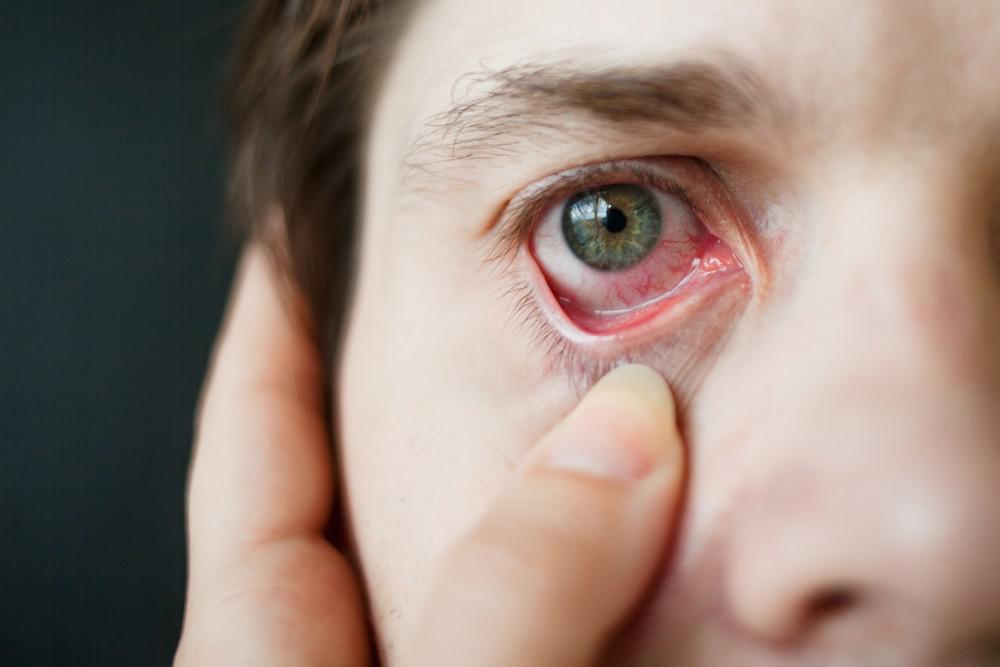
Conjunctivitis, also called pinkeye, is another cause of itchy eyes. With this common eye condition, your eyes are usually red and itchy all day rather than just at night.
Viral and bacterial pinkeye are contagious, so see your doctor if you think you have it. Allergic conjunctivitis is not contagious.
Eye Strain
Eye strain is another possible cause of burning, itchy eyes. Common reasons include looking at digital screens all day or driving long distances.
Eye Strain may build up at night if you read in dim light or don't stop to rest your eyes. Being stressed or tired can add to it, and air from heating or air conditioning can dry and irritate your eyes.
Other symptoms of eye strain include blurry vision, headache, a sore neck, shoulders or back, light sensitivity, trouble concentrating and trouble keeping your eyes open.
Allergic reaction
An allergic reaction in your eyes or eyelids is a likely cause of itching. You may use personal care products before bed that you don't use the rest of the day.
Or you may be allergic to the feathers in your pillow or the dust on your nightstand. Possible triggers include:
- soaps, cleansers and other chemicals
- dust, dust mites, pollen and pet dander
- tobacco smoke, car exhaust and perfume
- eye makeup, such as eyeliner, eye shadow and mascara
- personal care products like hair dye, nail polish and sunscreen
Dry eyes
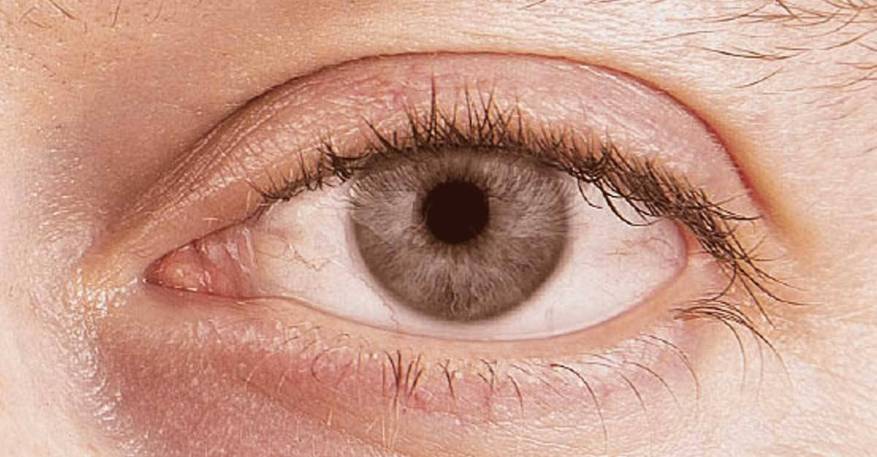
Dry eye happens when your eyes don't make enough tears or tears evaporate too quickly. Symptoms often get worse as the day goes on, leading to scratchiness and other discomfort at night.
You may feel fine when you wake up, then notice dryness, grittiness or burning later in the day. Symptoms can be worse if you wear contact lenses or spend long hours on screens.
You may also notice stringy mucus around your eyes, light sensitivity, redness, a feeling that something is in your eye, watery eyes, trouble driving at night and blurry vision.
Meibomian gland dysfunction
The meibomian organs, or meibomian glands, are oil glands along the edges of your eyelids. When they become blocked, they don't release enough oil to keep tears from evaporating, which can cause dry, irritated, itchy eyes.
Diagnosis of itchy eyes at night
If your eyes itch at night often, see a doctor to find the cause. The doctor will likely start by asking about your medical history and symptoms.
They will then examine your eyes and eyelids. If there is discharge, they may swab it and send it to a lab.
If they suspect an allergy, they may suggest allergy testing, such as a patch test. They may also refer you to an eye specialist.
Prevention & Treatment for itchy eyes at night
Blepharitis is usually a long-term condition with no cure, but daily care can control it. Warm compresses and gentle lid cleaning can ease flare-ups.
You may need to skip eye makeup for a while. Artificial tears and treating dandruff or mites can also help.
Keep a log of things that seem to trigger your itchy eyes at night. Knowing the cause can help you avoid it and reduce or stop your symptoms.
Prevention for allergic reactions:
Keep your windows shut to keep pollen out of your home at night. A fan or air conditioner can keep you cool.
Use dust-mite-proof covers on your mattress and pillows.
Use a dehumidifier to reduce mold in your home.
Wash your hands before removing contact lenses, after petting animals, or after touching anything you think may bother your eyes.
Wash your face to remove eye makeup and other cosmetics before going to bed.
Some people may need medical treatment, such as:
- antibiotic eye drops, ointments or pills for bacterial infections, such as bacterial conjunctivitis or some cases of blepharitis
- artificial tears to moisten the eyes
- antihistamine eye drops or pills to control allergic reactions
- mast cell stabilizer drops for allergies
- steroid eye drops, used short term under a doctor's care, for blepharitis or allergies
- allergy shots for people with more severe allergies
See an eye doctor right away if itching comes with eye pain, vision changes or heavy discharge.
HP Thoughts: Itchy eyes could be an indication of poor eye maintenance. We prepared a guide to help you take care of your eyes: Improve Eyesight by a Food Plate.
Related Tag: Bloodshot Eyes after Shower
Sources
- What Is Blepharitis?, American Academy of Ophthalmology
- Dry Eye, National Eye Institute