Pregnancy with Twins: What to Know, Signs and Symptoms

Contents
Introduction
You cannot know for sure whether you are carrying twins (or more) from how you feel or from a home pregnancy test. Only an ultrasound can confirm a twin or multiple pregnancy.
Some mothers of twins say they suspected it from the start, while others are completely surprised. There are a few signs that can point to twins, but they overlap a lot with the signs of a single pregnancy.
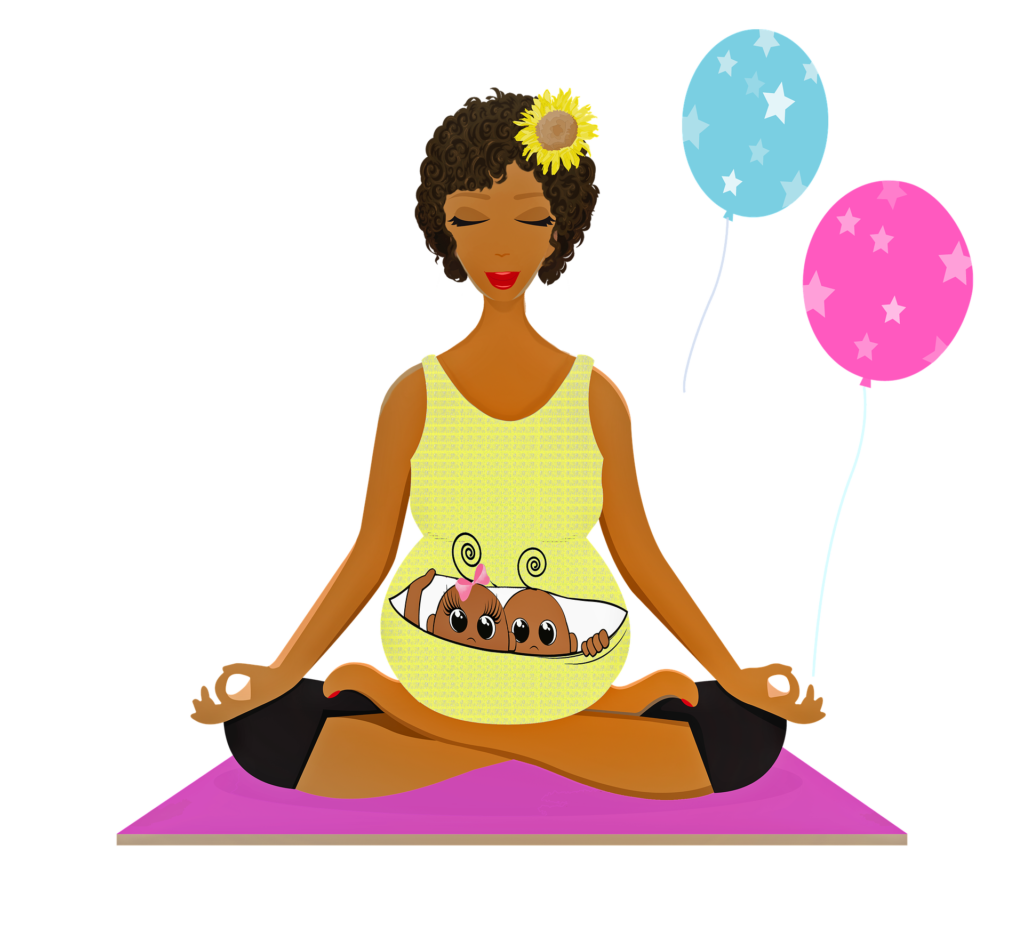
The NHS notes that you might suspect twins if you seem bigger than expected for your dates, twins run in your family, or you have had fertility treatment. Twins are usually confirmed at the first-trimester scan.
What are the odds of having twins?
According to CDC data, the U.S. twin birth rate was 30.1 per 1,000 live births in 2024. Several factors raise your chance of twins, including being older, a family history of non-identical twins on the mother's side, and fertility treatments such as IVF.
Signs and symptoms (Pregnancy with twins)
Here are the signs and symptoms that may suggest you are pregnant with twins:
1- Increased weight gain
This sign usually shows up later in pregnancy. Weight gain in the first trimester tends to be small for most women, and it speeds up in the second trimester whether you are expecting one baby or more.
ACOG notes that women carrying multiples may gain weight more quickly and need about 300 extra calories a day for each baby. If you are gaining weight unusually fast early on, talk with your OB-GYN.
The CDC lists these weight gain guidelines for women pregnant with twins, based on pre-pregnancy body mass index (BMI):
- BMI under 18.5: 50–62 lbs.
- BMI 18.5–24.9: 37–54 lbs.
- BMI 25–29.9: 31–50 lbs.
- BMI 30 or higher: 25–42 lbs.
If you have bad morning sickness, you may gain little or even lose a bit of weight in the first trimester. Talk with your doctor if you are worried about your weight.
2- Morning Sickness
An old saying claims twin pregnancies mean twice the sickness, tiredness and weight gain. There is some truth to it: ACOG says women carrying multiples may have more severe morning sickness and breast tenderness.
Still, nausea varies hugely between pregnancies, so its severity is not a reliable way to tell if you are carrying twins.
3- Doppler Heartbeat Count
A Doppler device uses harmless sound waves to make the baby's heartbeat audible, usually from late in the first trimester. An experienced doctor or midwife may hear more than one heartbeat.
This can easily be misleading, though. The mother's own pulse, or echoes of one baby's heartbeat, can sound like a second heartbeat. An ultrasound is needed to confirm twins.
4- High Human chorionic gonadotropin hCG
Human chorionic gonadotropin (hCG) is the hormone that home pregnancy tests detect in urine. Home tests cannot measure how much hCG you have, but blood tests can.
hCG levels are often higher in twin pregnancies. However, normal levels vary widely, so a high result cannot confirm twins on its own. If your levels are being monitored, for example during fertility treatment, your doctor will interpret them with an ultrasound.
5- Weakness
Tiredness is a common early pregnancy symptom. In the first weeks, sometimes even before a missed period, you may feel drained. Rising hormones, broken sleep and frequent trips to the bathroom all add to it.
There is no way to know from tiredness alone whether you are expecting one baby or more. If you feel very tired, rest when you can, go to bed earlier and nap when possible.
6- Fetal Movement
Feeling your baby (or babies) move is one of the most exciting parts of pregnancy. The NHS says most women first feel movements between 16 and 24 weeks, and often later in a first pregnancy.
Some mothers of multiples report feeling movement earlier, but this is not a reliable sign. Women who have been pregnant before often notice movements sooner, and early "movements" can also be gas.
7- Premonitions and Hunches
Some mothers-to-be say they had a hunch or even dreams about twins. These feelings are common and understandable, but there is no evidence that intuition can detect twins. Only an ultrasound can tell you for sure.
8- Abnormal AFP Test Results
Alpha-fetoprotein (AFP) screening is a blood test done in the second trimester to estimate the risk of certain birth defects. A twin pregnancy can raise AFP levels, and MedlinePlus lists multiple gestation as a cause of higher-than-normal AFP. If your result is high, your provider will usually arrange an ultrasound.
Sources
- Multiple Pregnancy, American College of Obstetricians and Gynecologists
- Pregnant with twins, NHS
- Weight Gain During Pregnancy, CDC
- FastStats: Multiple Births, CDC