Ruddy Complexion and Redness Causes, how to get rid of it?
Contents
What Is Ruddy Complexion?
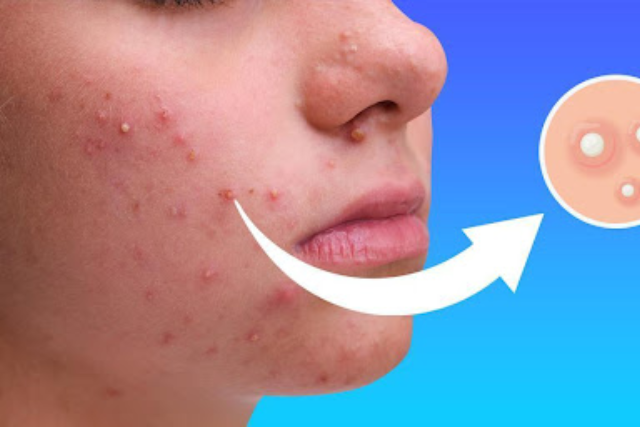
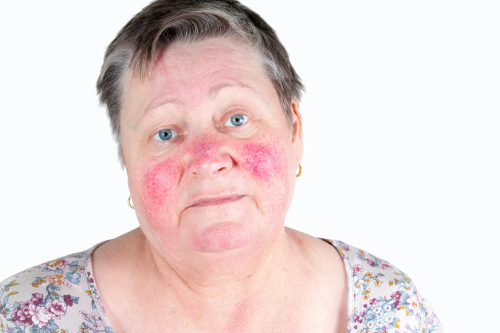
A word ruddy is often used to describe someone’s complexion. Ruddy indicates something that is reddish in color. A ruddy complexion can mean a natural, healthy-looking red glow on the skin. But many people use ruddy as a negative adjective, as well. If someone has red patches on his skin, he is dealing with the ruddiness.
So a ruddy complexion can be a natural, even reddish glow, or it can show up as red patches or persistent redness on pale skin.
Skin tone and type matter a lot in redness-related skin problems. Red patches may itch, sting, or burn. See a doctor or dermatologist for persistent facial redness, especially if you think it may be rosacea.
Ruddiness can be caused by rosacea, allergic reactions, skin infections, or scratching and irritation. If you have an even flush on your cheeks and nose without patches, bumps, or discomfort, it may simply be your natural coloring.
What Causes Ruddy Complexion?
Many factors can cause ruddy skin. To find the exact cause of yours, see a dermatologist, who can identify what is behind it.
The following factors can contribute to ruddiness or ruddy complexion. These may include:
- Inherited genetically
- Hormonal changes, such as menopause hot flashes
- Acne rosacea
- Allergic reactions
- Itching or irritation
- Sun exposure for a long time period
- Alcohol intake
- Spicy food and hot drinks
- Extreme heat or cold
- Aging
- Infections such as bacterial or fungal
- Excess use of Topical steroids
- Excess use of topical retinoids
- Harsh chemicals or skin-whitening creams
- Stress
The cause of your ruddy skin may be different from your friend’s. The best approach is to have a dermatologist check your skin and find the cause before starting treatment. Once you know what is causing your ruddy complexion, you can choose what will reduce it.
How You Can Get Rid Of This Ruddy Complexion?
It may not be possible to get rid of ruddy skin completely, but you can improve your skin’s appearance over time. You can prevent it from getting worse by avoiding your triggers and managing conditions like acne.
If rosacea is the cause, there is no cure, but treatment can keep it under control, according to NIAMS. A doctor can prescribe creams, gels, or sometimes antibiotics.
The best and effective ways to get rid of this ruddiness are mentioned below.
1- Use Antioxidant Serum
Antioxidant serums, such as vitamin C serums, are popular for evening out skin tone. Evidence that they reduce redness is limited, and some can sting sensitive or rosacea-prone skin, so patch test first.
2- Use Sunscreen
Sun exposure is one of the most common triggers of redness and flare-ups. Ultraviolet (UV) radiation damages the skin and its protective barrier. The NHS advises people with rosacea to wear sunscreen of at least SPF 30 every day.
Choose a broad-spectrum sunscreen made for sensitive skin. Reapply it when you are outdoors, and wear a hat in strong sun.
3- Calming And Cooling Products
Calming and cooling products may help, because redness is often linked to irritation. Gentle products made for sensitive skin are the best choice.
A cool, damp cloth may soothe flushed skin. Avoid very hot showers, saunas, and hot drinks if they make your redness worse.
4- Avoid Over-Exfoliation
Never do scrub or exfoliate your skin too much. Harsh scrubs and aggressive cleansing can irritate the skin and make redness worse.
Cleanse your skin gently. If you have sensitive or rosacea-prone skin, skip physical scrubs and ask a dermatologist before using exfoliating acids.
5- Aloe Vera Gel
Aloe vera gel can soothe irritated skin. There is little evidence that it reduces ruddiness, scars, or freckles.
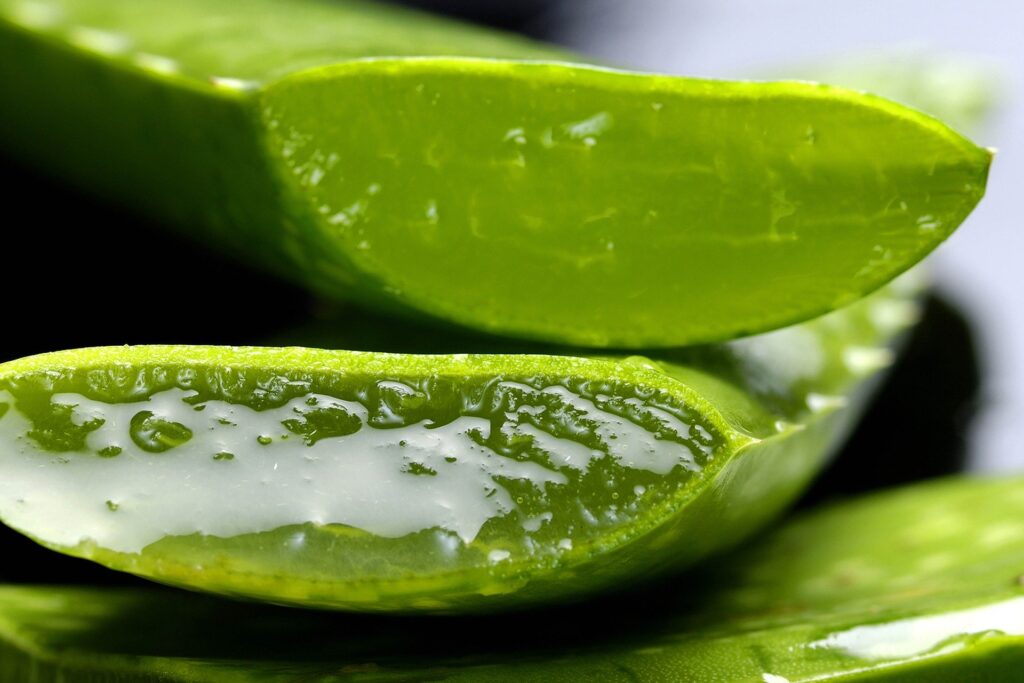
Choose a plain gel without fragrance or alcohol, which can irritate the skin. Fresh aloe vera leaves can also be used, but patch test first.
6- Daily Avoidance/ Protection
Keep a simple daily routine. Wash your face once or twice a day with a gentle, fragrance-free cleanser, not harsh antibacterial soap, which can dry and irritate the skin.
Use a clean towel for your face. Apply a broad-spectrum sunscreen every day. Don’t pick or squeeze spots. Use a gentle moisturizer to protect your skin barrier.
Keep track of your triggers, such as alcohol, spicy food, hot drinks, heat, and stress, and limit the ones that cause flushing. Eat a balanced diet with plenty of vegetables.
Don’t use chemical whitening creams, especially if you have sensitive skin. Regular exercise is good for overall health; if intense workouts make you flush, try cooler settings or gentler exercise.
These all instructions are to prevent the ruddy complexion in the future, or if you’ve in the past. If you have eye pain, blurred vision, light sensitivity, or a gritty feeling in red eyes, see a doctor urgently, because rosacea can affect the eyes.
Related Tag: Fair Skin Complexion, Dark complexion
Sources
- Rosacea Symptoms, Causes, & Risk Factors, NIAMS
- Rosacea, NHS