8 Week Pregnancy Bump: Baby Is As Big As a Raspberry
Contents
- What’s happening in the body in the 8 week pregnancy bump?
- 8 Weeks Pregnant Belly
- Symptoms at 8 week pregnancy Bump
- What does my baby look like?
- Baby’s Got Lips, Nose, and Eyelids
- Heartbeats and Movements
- Tips for You This Week
- Handle Headaches
- Start Doing Squats
- Slather on the SPF
- Keep Track of Your Weight
- Ease Into Exercise
- Eat Foods You Can Stomach
- Choose Healthy Carbs
- Pregnancy Checklist at 8 Weeks Pregnant
- Sources
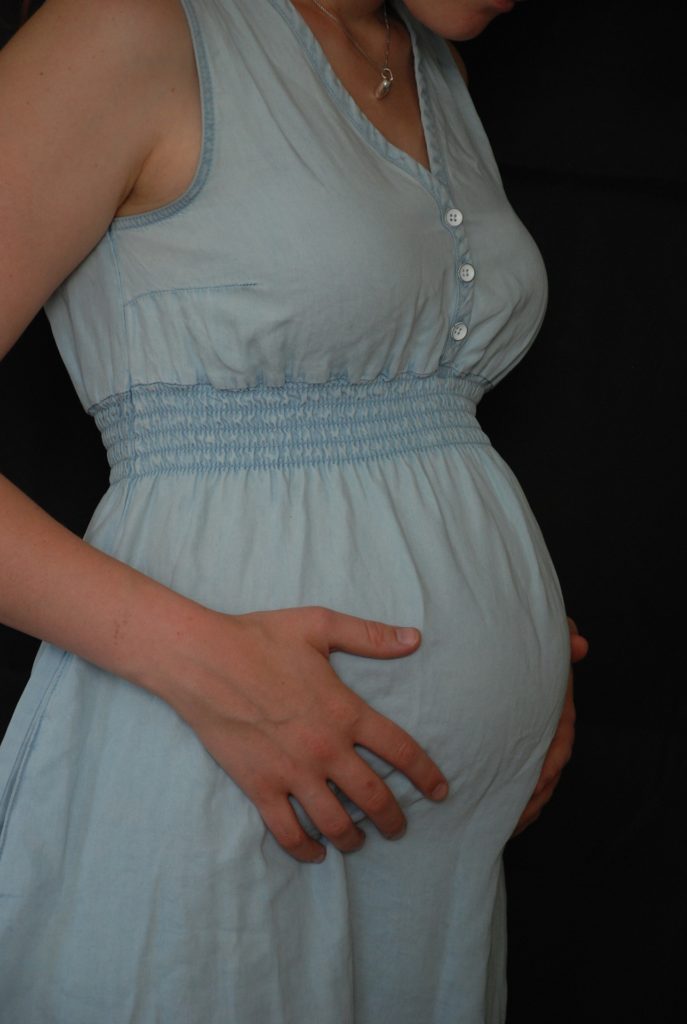
You have changed a lot in the last few weeks, but most people will not notice anything yet, because all the action is going on inside. You may feel a little bloated, but there is usually no visible bump. If you are getting symptoms like morning sickness, it seems so unfair that there is nothing to show for it!
Your breasts may be slightly swollen, but it will take a few more weeks before you actually look pregnant. Many women check their stomachs in the mirror to imagine what they will see in a few months. Have fun: this is part of the relationship with your 8-week pregnancy bump!
What’s happening in the body in the 8 week pregnancy bump?
By now you may have missed a second period, and pregnancy hormones can make you feel like you have premenstrual syndrome (PMS). Inside you, big things are happening.
Your baby is growing very fast and is starting to look more human. The baby is protected by its amniotic sac. The placenta is developing and will soon take over the job of providing nutrients and oxygen and removing waste.
8 Weeks Pregnant Belly
Wondering if your stomach is the right size at this stage? At 8 weeks pregnant, most people don't show yet, and that is normal. Your uterus is growing, but it is still inside your pelvis.

Some people show a little earlier, for example with twins or after previous pregnancies. Bloating can also make your belly look bigger.
Starting in the second trimester, your doctor or midwife may start measuring your belly, but for now, it doesn't really matter. Weight gain in the first trimester is usually small, often just a few pounds. If you're dealing with morning sickness, you might not gain anything, and that's usually fine. If you have any concerns about your weight or stomach size, tell your doctor.
Symptoms at 8 week pregnancy Bump
-
Your hormones are changing quickly, and many women notice a much stronger sense of smell and an unsettled stomach. At eight weeks of pregnancy, there are a host of pregnancy symptoms you may experience, including:
-
A metallic taste in your mouth
-
Tiredness
-
Morning sickness
-
Headache
-
Mood swings
-
New likes and dislikes for food and drinks
-
A heightened sense of smell
-
A milky white pregnancy discharge from your vagina
-
Mild spotting (see your doctor if you have any bleeding in pregnancy)
-
Mild cramping, like period pain
-
Brown skin or brown spots on your face
-
Thick and shinier hair
-
Feeling bloated
If you are not getting any symptoms, you may be one of the lucky ones! Some women have very few symptoms. If you are 8 weeks pregnant with twins, you may feel extra tired and nauseous, because twin pregnancies tend to come with higher hormone levels.
Remember: if you're feeling nauseous, extra hungry, or extra tired, it's because your baby is growing fast and your body is adjusting to big hormonal changes. Many people feel better once they reach the second trimester, when energy often returns.
Having few or no symptoms at 8 weeks can also be normal. If your symptoms suddenly stop or you have pain or bleeding, contact your doctor or midwife.
What does my baby look like?
Your baby is now about 16 mm (about two-thirds of an inch) long from head to bottom, which is about the size of a raspberry. Growth is fast at this stage.
-
Baby’s Got Lips, Nose, and Eyelids
What else is changing at 8 weeks? Your baby's arms and legs are getting longer, and the hands and feet are starting to form fingers and toes. The face is taking shape too, with the beginnings of the nose, upper lip and eyelids.
-
Heartbeats and Movements
Your baby's heart beats much faster than yours, and an ultrasound may show it. Your baby has also started making small spontaneous movements, although you won't be able to feel them for many weeks yet. The amount of amniotic fluid is increasing and your womb is expanding to make room.
Tips for You This Week
-
Handle Headaches
Headaches are common in early pregnancy, partly because of hormone changes. Ask your doctor or midwife before taking any medicine. Acetaminophen (paracetamol) is usually the first choice, while NSAIDs such as ibuprofen are generally avoided in pregnancy unless your doctor prescribes them.
-
Start Doing Squats
Squats can be a good addition to your exercise mix if your doctor says exercise is fine for you. They strengthen your thighs and may help you get into comfortable positions during labor. Hold the position for 10 to 30 seconds and repeat five times.
-
Slather on the SPF
Pregnancy hormones can cause melasma, darker patches of skin on the face. Freckles and moles may look darker, and a dark line may appear on your lower belly. This is very common in pregnancy.
Sunlight makes melasma worse, so use a broad-spectrum sunscreen of SPF 30 or higher when you are outside.
-
Keep Track of Your Weight
Weight gain isn't the same throughout your 40 weeks. In the first trimester, most people gain only a few pounds, and if you have morning sickness, you may gain none. Gain usually picks up in the second and third trimesters.
How much to gain in total depends on your weight before pregnancy. The CDC lists 25 to 35 pounds for a normal BMI with one baby. Your doctor can tell you the right target for you.
-
Ease Into Exercise
If you haven't exercised in a while, start slowly. Doing too much at once can lead to injury, overheating and exhaustion, and it makes you more likely to quit.
Start with a five-minute warm-up, five minutes of moderate activity and a five-minute cool-down. Then add a few minutes of activity each week until you reach about 30 minutes, as long as you feel well.
-
Eat Foods You Can Stomach
It is not easy to deal with nausea and vomiting during pregnancy, especially when you want to eat well for your baby. Don't worry: your baby's nutritional needs are small right now.
Eating six small meals and snacks through the day can be easier than three big meals. A small snack such as crackers before you get up may help. Choose healthier options when you can, such as whole-grain crackers with a slice of cheddar. Some people find ginger soothing.
-
Choose Healthy Carbs
Choose complex carbohydrates that nourish you and your baby and meet your energy needs. Good options include fresh fruit; dried and freeze-dried fruits; fresh vegetables; whole-grain bread, crackers, and cereals; baked potatoes with skins on; and dried beans and peas.
Pregnancy Checklist at 8 Weeks Pregnant
Book your first prenatal visit if you haven't already (the NHS booking appointment usually happens between weeks 8 and 12)
Ask your doctor about screening tests, and whether a CVS test is offered to you
Think of fun and creative ways to share your news
This article is general information, not medical advice. Contact your doctor or midwife about any symptoms that worry you.
Sources
- 8 weeks pregnant guide, NHS
- Headaches in pregnancy, NHS
- Weight Gain During Pregnancy, CDC
- Fetal Development: Stages of Growth, Cleveland Clinic