
How To Prevent Birth Related Injuries?

Contents
Bringing a new life into the world is no easy feat. Pregnancy and labor can be hard and painful, and joy can quickly turn into distress if complications arise and the newborn is injured during birth.
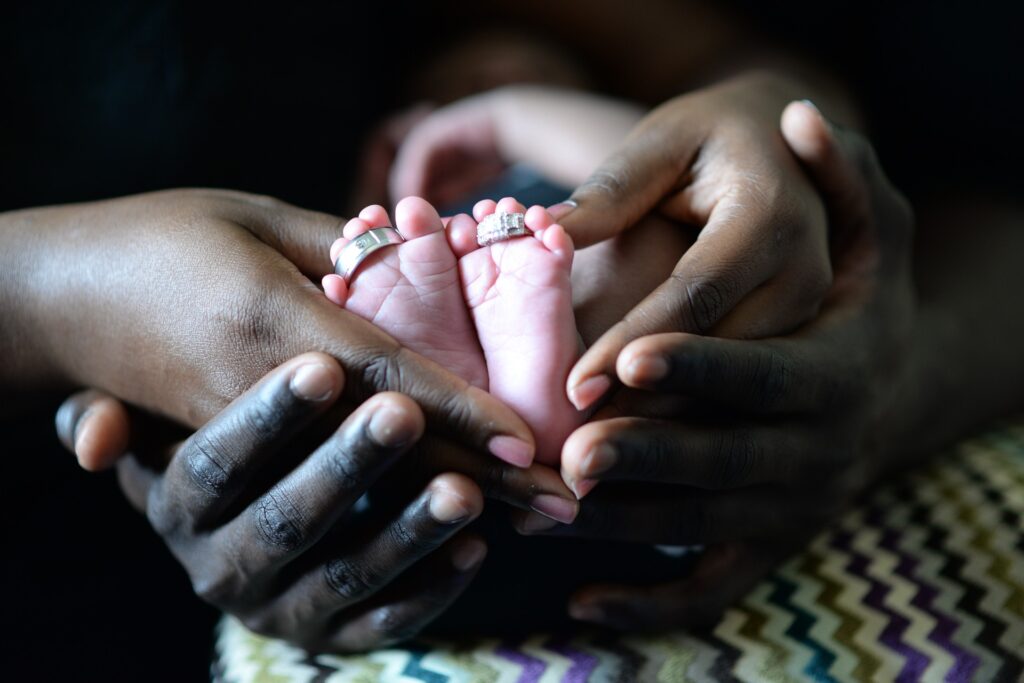
A birth-related injury is harm to a baby that happens during labor and delivery. The usual cause is the physical pressure of the birthing process on the baby. Other factors include:
- Oxygen deprivation
- Trauma from delivery impact
- Premature birth
- Medical negligence
- Umbilical cord problems
The good news is that serious birth injuries are uncommon. Many minor injuries, such as bruising or swelling of the scalp, heal on their own.
Some injuries need prompt treatment, and a few cause lifelong disability. Conditions linked with birth complications include brain injury from lack of oxygen, cerebral palsy, nerve injuries to the arm, skull fractures and cephalohematoma (a pool of blood under the scalp). Several steps can lower the risk:
Proper prenatal care
Some problems, such as genetic conditions, cannot be prevented. But good care during pregnancy can lower the risk of many others.
Cerebral palsy results from abnormal brain development or brain damage before, during or soon after birth. It affects movement and muscle control and can affect speech. You can read more about the types.
Controlling conditions such as diabetes and high blood pressure helps pregnant women protect their babies. Avoid infections where you can, and get medical help promptly for any concern during pregnancy, as some infections can affect a baby's brain development.
Detecting and addressing signs of fetal distress
Watch for warning signs during pregnancy and labor. Your care team monitors you and your baby throughout, but problems can also start between visits. Signs to report include.
Some symptoms to look out for are:
- Decreased movement in the baby
- Abnormal heart rate of the mother or child
- Leaking fluid from the vagina
- Severe or constant belly pain
- Regular cramps or contractions before 37 weeks
- Vaginal bleeding
- Sudden swelling, severe headache or vision changes
If you notice any of these, contact your doctor or maternity unit immediately. Don't wait to see if it passes.
Preventing premature birth and minimizing risks
Babies born too early have immature organs, which raises the risk of breathing problems, infections and brain injury. A few treatments can help in specific situations:
- Cervical cerclage: stitches that help keep a weak cervix closed, used for some women at high risk of early birth
- Progesterone treatment: once widely used to prevent repeat preterm birth, but later research did not confirm a benefit. The FDA withdrew approval of the injectable progesterone drug Makena in 2023, so ask your doctor whether any progesterone treatment is right for you.
- Magnesium sulfate: given to women about to deliver very early, mainly to protect the baby's brain. A meta-analysis found it lowered the risk of cerebral palsy in preterm babies by about 30 percent.
Sometimes early delivery cannot be avoided, or is safer for mother or baby. In these cases, doctors may give medicines such as corticosteroids to help the baby's lungs mature before birth. Delivering in a hospital with a neonatal unit also improves outcomes.
Understanding when to opt-out of a normal delivery
Sometimes a vaginal birth is not possible or would be risky for the baby or mother, and a cesarean section (C-section) is safer.
For very large babies, ACOG guidance says a planned C-section may be considered when the estimated weight is about 11 pounds (5,000 grams) or more, or about 9 pounds 15 ounces (4,500 grams) or more if the mother has diabetes.
Weight estimates before birth are imprecise, so this is a shared decision. Other complications that can lead to C-section deliveries are:
- Prolonged labor
- Umbilical cord compression
- Fetal distress
- Uterine rupture
- Maternal infection
- Macrosomia
When these problems arise, a C-section may be needed to reduce the risk of injury. Your care team will explain the benefits and risks of each option so you can decide together.
Providing proper care in NICU
The Neonatal Intensive Care Unit (NICU) cares for babies who are born early, are sick or have birth injuries and other premature birth complications. These babies are fragile, so specialized care helps prevent their condition from getting worse. Babies go home once they are stable and feeding well.
HP Thoughts: Unable to move your bowel during pregnancy might not pose a serious threat but it does present an irritation that could affect your overall well-being, especially if taking medication. Learn more: Pregnancy Constipation.
Conclusion
Childbirth is usually safe, but it pays to be prepared. Go to all your prenatal appointments, manage any health conditions and report warning signs quickly.
Choose a care team and hospital you trust. Mistakes such as delayed diagnosis or poor monitoring can lead to birth injuries, so ask questions and speak up if something feels wrong.
Sources
- What treatments are used to prevent preterm labor and birth?, NICHD
- Makena (hydroxyprogesterone caproate injection) Information, FDA
- Effects of Antenatal Exposure to Magnesium Sulfate on Neuroprotection and Mortality in Preterm Infants: A Meta-Analysis, Obstetrics and Gynecology (PMC)
- OB Guideline 23: Macrosomia, CRICO (Harvard Medical Institutions)