What Is Scintillating Scotoma? All Details
Contents
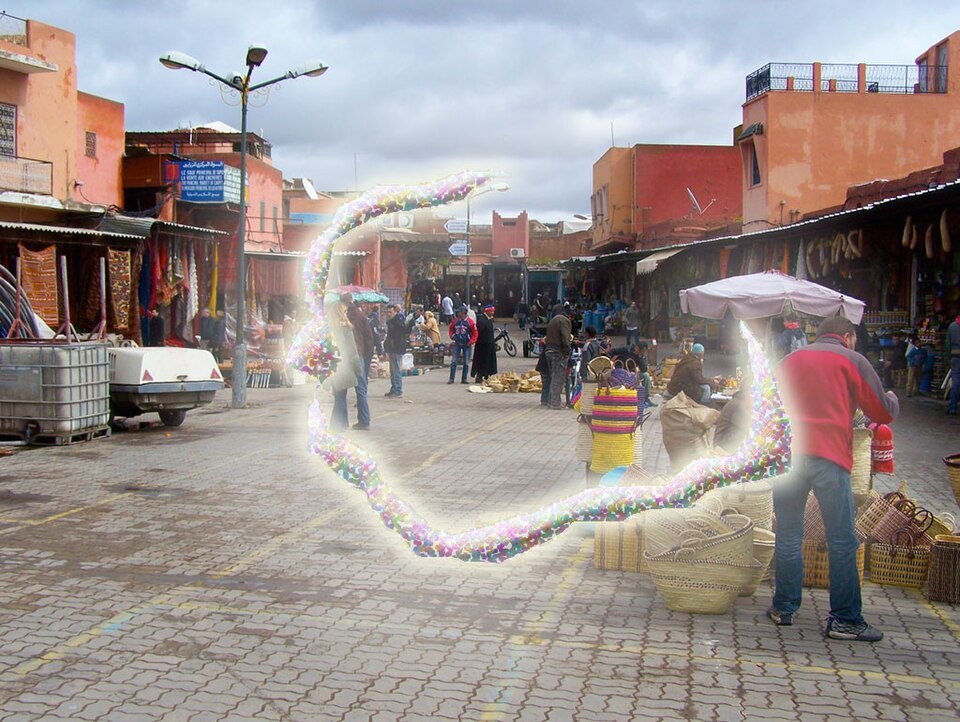
Photo by Kronos, CC BY-SA 3.0, via Wikimedia Commons
Scintillating scotoma starts as a spot of sparkling or shimmering light in the field of vision. You cannot see clearly within the spot. When it comes from the brain, as in a migraine aura, it shows up in the same part of the visual field of both eyes.
The affected area flickers but is not completely dark. It often has zigzag edges and expands outward from where it started, sometimes across a large part of your vision.
Overview:
A scotoma is a blind spot that blocks part of your vision. According to Cleveland Clinic, a scintillating scotoma is a blind spot covered by a shimmering, sparkling, or distorted effect, such as rings, arcs, zigzag lines, or checkerboard patterns.
They are usually temporary. They are not caused by dust or dirt in your eye.
They may come with a headache, or with no headache at all. The most common cause is a migraine with aura. Less often, they can be a sign of something serious, such as a stroke, so they should not be ignored.
Why it occurs?
A scintillating scotoma from migraine is caused by a wave of abnormal electrical activity moving across the visual part of the brain. Migraine attacks can be triggered by stress, hormonal changes, lack of sleep, and certain foods or drinks.
Possible causes and conditions linked to scintillating scotomas include:
- migraine
- visual migraine without headache pain
- stroke or transient ischemic attack (TIA)
- seizures
- MS, which can affect vision, though it more often causes blurred vision or eye pain than a shimmering scotoma
- glaucoma: acute angle-closure glaucoma can cause halos, eye pain, and blurred vision, and is an emergency
- stress, a common migraine trigger
- head injury
- certain food or drink triggers
- depression, which is more common in people with migraine
- pregnancy: new vision changes in pregnancy need prompt medical review
How to treat Scintillating scotomas?
Treatment depends on the cause. When migraine is the cause, the aura usually fades within an hour.
Following are some steps that you can follow in order to get relief from it.
- Lie down comfortably in a quiet, dark room and close your eyes.
- Drink water. An over-the-counter pain reliever such as ibuprofen may help the headache that follows, but ask a doctor first if you are pregnant.
- Take a rest, and do not drive until your vision is completely back to normal.
If you have frequent migraines, your doctor may recommend treatment. Options may include:
- migraine pain medicines, such as triptans, CGRP blockers, or NSAIDs, taken early in an attack
- preventive medicines, such as certain anti-seizure drugs, antidepressants, or beta-blockers, to reduce how often migraines happen
- lifestyle steps, such as regular sleep and meals and avoiding your known triggers
Any risk for scintillating scotomas?
Some people may be more at risk of developing scintillating scotoma symptoms. People:
- having migraine
- with a family history of migraine
- with conditions that raise stroke risk, such as high blood pressure
- facing stress and anxiety, which can trigger migraine
Serious Condition
A first-ever scintillating scotoma always needs emergency medical care. Some possible causes, such as stroke, are dangerous, and a healthcare provider must check you to find the cause.
If you are pregnant or have just had a baby, get urgent medical advice for new vision changes or migraine aura. After 20 weeks, vision changes such as flashing lights or blurriness, with or without a headache, can be a sign of preeclampsia, a serious blood pressure condition.
Call emergency services right away if visual changes come with any of these symptoms:
- sudden, severe eyestrain headache
- muscle weakness or weakness on one side of the body or face
- difficulty speaking or slurred speech
- dizziness or nausea
- headache and scotomas
- numbness in your face, arms, or legs
- disorientation or confusion
- vision loss, or blurred or double vision
- a seizure
How long it lasts?
Most scintillating scotomas last about 5 to 60 minutes. According to the NHS, migraine aura symptoms should not last longer than 1 hour; get urgent medical advice if an aura lasts longer.
Why are you seeing zig-zags in your vision?
Zig-zags in vision are sometimes called kaleidoscope vision. The most common cause is a migraine with visual aura, sometimes called an ocular or ophthalmic migraine. The zigzag pattern is part of the scintillating scotoma.
HP Thoughts: Your eyes are telling you something if it swells up, itch, or droop. Just learn to read the signs and you’re able to find a cure for any of these ailments. However, if you’re pregnant, there are some eye symptoms that you might think are fatal. Read our post discussing one such anomaly: Eye Twitching Pregnancy.
Conclusion:
Scintillating scotomas are usually temporary and are most often caused by migraine with aura. They usually fade within an hour. Resting in a quiet, dark room can help while the aura passes.
But a first episode needs emergency care, and so does any aura that comes with weakness, numbness, speech problems, confusion, or vision loss. If you are pregnant, or if your auras are frequent or changing, see a doctor.
Sources
- Scintillating Scotoma: Causes, Duration & Treatment, Cleveland Clinic
- Migraine: Symptoms, NHS
- Preeclampsia, MedlinePlus