14 Unusual Early Pregnancy Symptoms: A Checklist
Contents
- Worried About Early Pregnancy Symptoms?
- Weird Early Pregnancy Symptoms checklist
- Raised basal body temperature
- Missed Period
- Dizziness
- Constipation
- Diarrhea
- Discharge from your body
- Constant Hunger
- Trouble Sleeping
- Extreme Tiredness
- Period-like Cramps
- Itching
- Brittle Nails, Hair, Breakouts, and change in Skin Complexion
- Breast Soreness/Tenderness
- Frequent Urination
- The Final Word
- Sources
Worried About Early Pregnancy Symptoms?
Wondering whether you are pregnant? Want to know as early as you can? A home pregnancy test is the most reliable way to find out.
The FDA notes that home tests are most reliable 1 to 2 weeks after a missed period. Some sensitive tests can detect pregnancy earlier, but testing too early can give a false negative.
While you wait, your body may give you some clues. Here is a checklist of early pregnancy symptoms, including a few less familiar ones.
Hormone levels start to change soon after conception, but symptoms vary a lot from woman to woman. Some women notice several symptoms early, while others notice few or none.
Many early signs of pregnancy feel like normal premenstrual discomfort. None of them can confirm pregnancy on its own. If you think you are pregnant, take a test and see your doctor or midwife to start prenatal care.
Weird Early Pregnancy Symptoms checklist
Here are some early pregnancy symptoms that might make you think something else is going on. Try not to panic.
-
Raised basal body temperature
Your basal body temperature is your temperature first thing in the morning, before you get out of bed. It rises slightly after ovulation and usually stays up until your next period.
If you track it to find ovulation and it stays raised for more than two weeks, you may be pregnant.
-
Missed Period
The NHS lists a missed period, sore breasts and needing to pee more often among the early signs of pregnancy. A missed period is often what prompts women to take a test.
Some women have a very light bleed or spotting around the time their period is due. This is called implantation bleeding and can be mistaken for a light period.
-
Dizziness
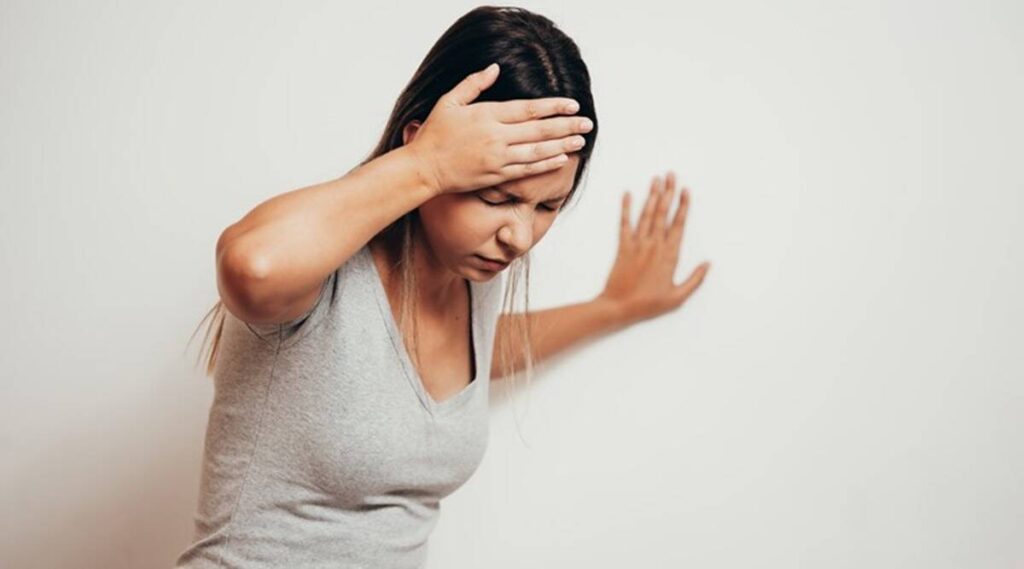
Feel like the room is spinning? Some women feel dizzy or lightheaded in early pregnancy.
Pregnancy hormones relax and widen your blood vessels, which can lower your blood pressure. Stand up slowly, eat regularly and drink enough fluids. Tell your doctor if you faint or feel very dizzy.
-
Constipation
Constipation is a common early pregnancy symptom. Higher levels of the hormone progesterone slow down your digestive system, which can leave you feeling bloated.
Adding more fiber to your diet, drinking plenty of water and staying active can help.
-
Diarrhea
Some women have loose stools or stomach upset in early pregnancy, often from hormone changes or changes in diet. Drink plenty of fluids and avoid foods that upset your stomach.
Diarrhea that lasts more than a day or two, or comes with fever, severe cramps or blood, needs a call to your doctor.
-
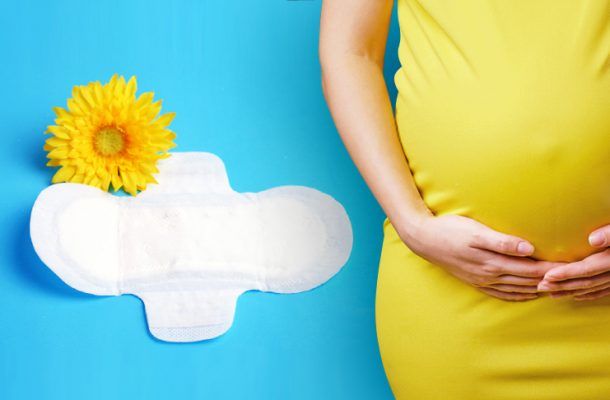
Discharge from your body
Many women notice more vaginal discharge in early pregnancy, though many do not link it to pregnancy. It is usually thin, white or pale and mild-smelling, and it continues through the first trimester and the rest of pregnancy.
Higher hormone levels and increased blood flow to the vaginal area cause this discharge. It helps protect the birth canal from infection as the cervix and vaginal walls soften. Contact your doctor if your discharge starts to:
- Smell
- Burn
- Itch
- Turn greenish-yellow
- Become very thick or watery
These may be signs of an infection.
-
Constant Hunger
If you suddenly find yourself reaching for snacks all day, it could be an early sign of pregnancy. Some women feel hungrier, while others lose their appetite because of nausea.
Some also notice food cravings, aversions or a metallic taste in their mouth.
-
Trouble Sleeping
Disrupted sleep and vivid dreams are common in early pregnancy. Hormone changes, needing to pee at night and feeling anxious can all play a part.
-
Extreme Tiredness
Feeling extremely tired after your usual daily activities is a very common early pregnancy symptom. You may want to nap as soon as you wake up, even after a full night's sleep.
High levels of progesterone are thought to be part of the reason. The tiredness usually improves in the second trimester.
-
Period-like Cramps
You may have mild cramps in your belly that feel like your period is about to start. Some women also have light spotting, which can be normal.
Contact your doctor right away if bleeding gets heavier or you have severe pain, pain on one side, or feel faint. These can be signs of a miscarriage or an ectopic pregnancy.
-
Itching
Some women notice itchy skin, often on the breasts and belly, as the skin stretches and hormones change.
Mild itching is common. Severe itching, especially on the hands and feet, can be a sign of a liver condition called intrahepatic cholestasis of pregnancy, so tell your doctor about it.
-
Brittle Nails, Hair, Breakouts, and change in Skin Complexion
Not everyone gets the famous pregnancy glow. Hormone changes can cause acne breakouts, darker patches of skin or changes in your hair and nails.
These changes are usually harmless and often settle after pregnancy.
-
Breast Soreness/Tenderness
Sore, tender or swollen breasts are one of the earliest signs of pregnancy. Your breasts may feel like they do before a period, only stronger.
Rising levels of estrogen and progesterone hormones start preparing the breasts for breastfeeding. The nipples and the darker area around them (areola) may become larger and darker.
-
Frequent Urination
Many pregnant women need to pee more often than usual, even early on. In early pregnancy, hormone changes and increased blood flow make the kidneys produce more urine.
Later in pregnancy, the growing uterus presses on your bladder too.
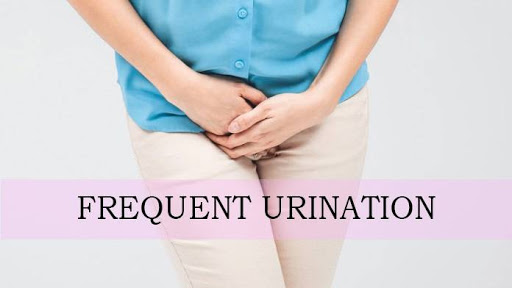
Some women worry that frequent urination is a sign of diabetes-mellitus. In early pregnancy it is usually normal. Tell your doctor if it comes with pain or burning, which can mean a urinary tract infection, or with extreme thirst.
The Final Word
You may have some, all or none of the symptoms in this checklist. Symptoms alone cannot tell you for sure whether you are pregnant.
Take a home pregnancy test, and see your doctor or midwife to confirm the result and start prenatal care. Get medical help right away for heavy bleeding, severe belly or pelvic pain, or fainting.